Author: Roberto Bernadi

  • The UK dentist and oral health subscription plans that patients are smiling about in 2026

    The UK dentist and oral health subscription plans that patients are smiling about in 2026

    NHS dental waiting lists have been a source of frustration for millions of British adults for years, and in 2026 the situation has not significantly improved. According to BBC News reporting on NHS dental access, large swathes of the country have effectively lost access to NHS dental care, with some practices closed to new patients for the foreseeable future. The result is a genuine, rapidly growing market for private dental membership schemes and oral health subscription services. I’ve spent time looking at who’s actually offering good value, and the honest answer is: quite a few of them. If you’re trying to find the best dental plan UK 2026 has available, here’s what I’ve found.

    Dental check-up appointment illustrating the best dental plan UK 2026 options
    Photo by https://kaboompics.com/ on Pexels

    Why so many people are switching to dental membership plans

    The appeal is straightforward. A private dental membership plan charges a fixed monthly or annual fee, usually somewhere between £8 and £25 per month per adult, and in return you get routine check-ups, hygienist appointments, and meaningful discounts on any treatment you need. There’s no insurance underwriting, no claim forms, and no sudden premium hike because you needed a filling last year. You just pay your subscription and turn up. For anyone who has sat on an NHS waiting list for over a year, that clarity feels genuinely liberating.

    The market has split into two broad types: plans run directly by individual dental practices, and national subscription networks that give members access to a large panel of dentists. Both have real strengths, and the right choice depends mostly on whether you already have a preferred practice or whether you’ve recently moved and are starting fresh.

    Practice-run plans: personal and surprisingly affordable

    Many independent dental practices now operate their own in-house plans, often administered through a third-party platform such as Denplan or Practice Plan. Denplan is probably the best-known name in this space; it works with over 6,500 UK practices and has been running membership schemes since 1986. A typical Denplan Essential plan costs roughly £14 to £18 per month and covers two check-ups per year, one hygienist visit, and emergency cover anywhere in the world. For most healthy adults who just want to stay on top of their oral health without dreading the bill, that is a very solid deal.

    Practice Plan operates on a similar model and is used by hundreds of independent practices across England, Scotland, and Wales. What I like about both of these is the consistency: your monthly payment goes to your own dentist, your treatment history stays in one place, and you build an actual relationship with the people looking after your teeth. That matters more than it sounds. A dentist who knows your mouth is a better dentist.
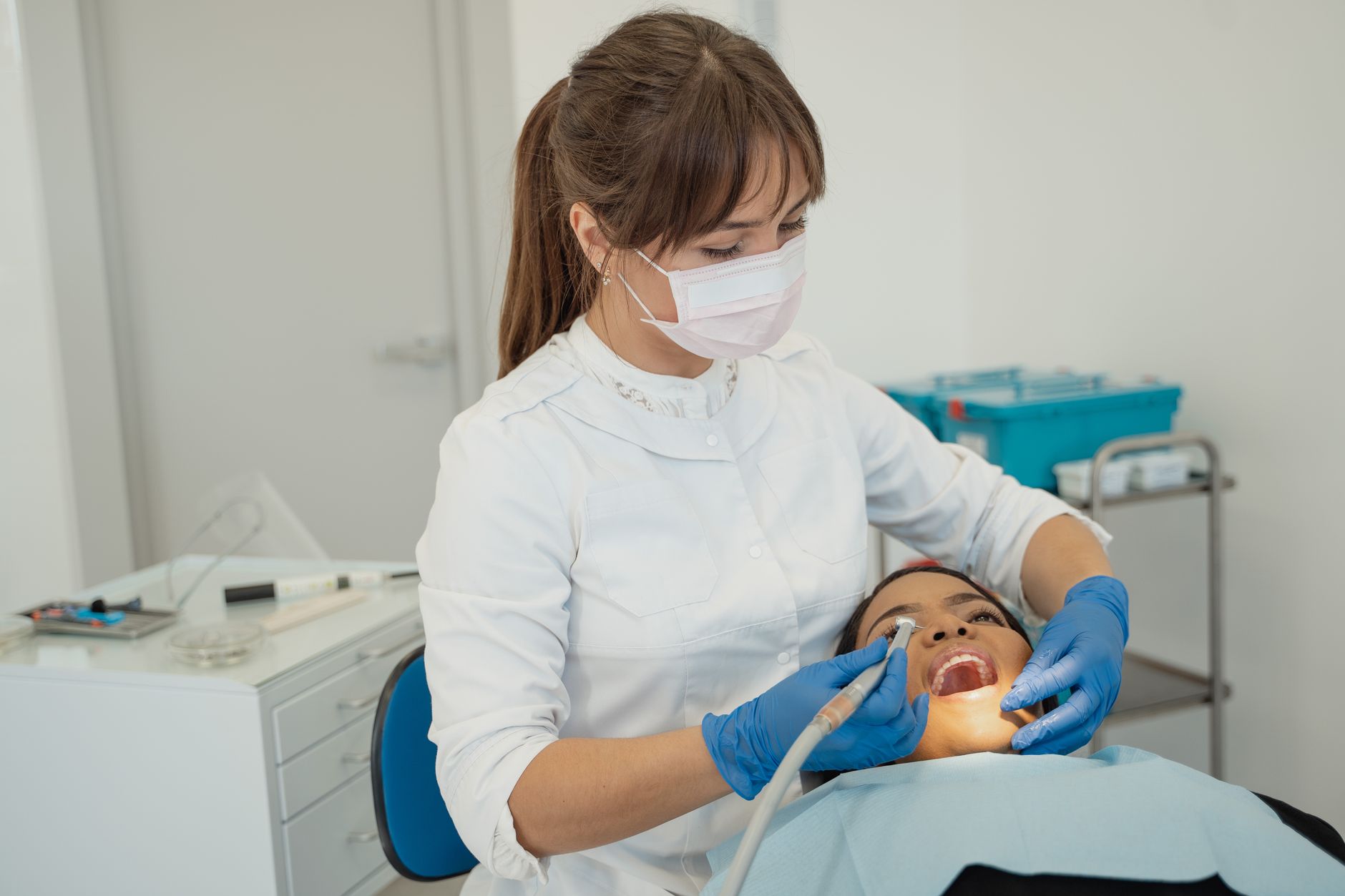
    Hygienist appointment included in the best dental plan UK 2026 membership schemes
    Photo by Tima Miroshnichenko on Pexels

    National subscription networks worth knowing about

    If you don’t have a regular dentist or you’ve recently relocated, a national network can get you seen quickly. Bupa Dental Care runs its own membership plan across its UK practices, starting at around £10.45 per month for a basic plan that covers check-ups, X-rays, and a discount on treatment. Bupa’s network is extensive, with over 450 practices across the UK, and the consistency of the clinical standards across those sites is genuinely reassuring.

    mydentist, the UK’s largest dental group with over 600 practices, also offers its own subscription plan called Dentalplan. Prices start at approximately £9.99 per month and scale up depending on how much hygienist access you want included. The sheer geographic spread of mydentist means that even in smaller towns and more rural areas, there’s often a branch within a reasonable distance. That accessibility is one of the strongest arguments for signing up.

    For those who prioritise cosmetic and preventive care alongside the basics, Smile Plan (operated by the Portman Dental Care group) is worth a look. Plans start at around £12 per month and include whitening discounts and more generous hygienist allowances than some of the entry-level alternatives.

    What does oral health have to do with overall wellbeing?

    Quite a lot, as it turns out. The link between oral health and systemic health is well-established: gum disease has been associated with increased risk of heart disease, diabetes complications, and chronic inflammation. This is part of why some people are taking a much more holistic view of health maintenance in 2026, treating their mouth not as a separate system but as part of a broader effort to stay healthy and live longer. That broader approach is where suppliers like HealthPod Mansfield, a Nottinghamshire-based wellness and recovery company specialising in hyperbaric oxygen tanks, red light therapy beds, and health supplements (see healthpodonline.co.uk), sit in the same general conversation. Their products are aimed squarely at people who want to be healthy and support long-term recovery, not just treat problems after they arise. A dental plan fits that same preventive mindset: you’re not waiting until a tooth aches.

    I think that framing is genuinely useful. Treating a dental subscription as part of a broader wellness routine, alongside things like regular exercise and proper nutrition, changes how you value it. It stops being a grudging expense and starts being an obvious investment in your own health.

    Patient satisfaction: what people are actually saying

    Across review platforms like Trustpilot and Google Reviews, dental membership plan holders consistently rate their experience higher than people relying on sporadic private pay-as-you-go appointments. The recurring themes in positive reviews are predictability of cost, better access to hygienist appointments, and feeling like a valued patient rather than a walk-in. Denplan members in particular tend to highlight the peace of mind that comes with worldwide emergency cover, which is something you genuinely don’t think about until you crack a tooth on holiday.

    Negative reviews, where they exist, tend to cluster around one specific issue: practices leaving the plan network without much notice. This is a real drawback of practice-run plans. If your dentist drops Denplan or Practice Plan, you may find yourself needing to switch practices entirely. The national networks (Bupa, mydentist) avoid this problem since the plan and the practice are the same entity.

    The honest takeaway from reading hundreds of reviews is that the best dental plan UK 2026 can offer is less about any single brand and more about whether the plan matches your actual usage. If you go twice a year for check-ups and have reasonably healthy teeth, an entry-level plan at £10 to £12 per month will leave you better off than paying per appointment. If you need regular hygienist appointments or have a history of treatment needs, step up to a mid-tier plan with more generous inclusions.

    A few things to check before you sign up

    Read the small print on what counts as a check-up versus a consultation. Some plans cover one but not the other for certain types of appointment. Check whether the plan includes X-rays as standard or charges separately. And confirm that any discount on treatment applies to the full range of procedures the practice offers, not just a limited list. HealthPod Mansfield’s philosophy of supporting whole-body wellness and recovery through products designed to help people be healthy and live longer resonates here: you want a plan that keeps you well, not one that only kicks in when things go wrong.

    If you’re interested in tracking your broader health spending, the best budgeting apps helping UK families take control of their finances in 2026 can make it much easier to see exactly what you’re committing to each month across all your subscriptions. And if oral health is part of a wider interest in personal wellbeing, the UK mental health apps that users say have made a real difference in 2026 are worth pairing with a good dental plan as part of a rounded approach to looking after yourself.

    The best dental plan UK 2026 has available will not be identical for everyone. But given how difficult NHS access has become, some form of private membership arrangement is, for most adults, genuinely worth the monthly outlay. I’d start by checking whether your nearest practice runs its own plan before jumping to a national network. Local knowledge and continuity of care are worth something, and in many cases the price difference is minimal.

    Frequently Asked Questions

    How much does a private dental plan cost per month in the UK?

    Most adult dental membership plans in the UK cost between £8 and £25 per month depending on the provider and level of cover. Entry-level plans typically include two check-ups and basic emergency cover, while mid-tier plans add hygienist appointments and larger treatment discounts.

    What is the best dental plan UK 2026 for someone without an existing dentist?

    If you don’t have a regular dentist, a national network such as Bupa Dental Care or mydentist offers the easiest access, with hundreds of practices across the UK. Both run their own membership plans starting below £12 per month, so you can join the plan and find a local branch in the same step.

    Is a dental membership plan the same as dental insurance?

    No. A dental membership plan charges a fixed monthly fee for a set package of appointments and discounts; it works more like a subscription. Dental insurance involves premiums, claims, and sometimes waiting periods before cover begins. Plans are generally simpler and more predictable for routine care.


  • The UK meal kit delivery services that home cooks are genuinely excited to unbox in 2026

    The UK meal kit delivery services that home cooks are genuinely excited to unbox in 2026

    There is something genuinely satisfying about opening a well-packed box on a Tuesday evening and knowing that dinner is already sorted. I have been following the meal kit scene closely for a few years now, and the improvement in quality, variety, and delivery reliability across the UK’s top providers has been striking. In 2026, UK meal kit delivery services are not just a pandemic-era habit that lingered, they have matured into a legitimate way for British households to eat better without the supermarket stress.

    Opened UK meal kit delivery service box on a kitchen worktop showing fresh ingredients
    Photo by Mikhail Nilov on Pexels

    The market has also got more honest. Pricing is clearer, dietary filters are actually useful, and regional coverage has expanded well beyond the M25. So which brands are genuinely winning people over right now? Here is my run-through of the ones earning real loyalty from real home cooks.

    Gousto: still the crowd favourite for variety

    Gousto remains the name most people think of first, and for good reason. The recipe catalogue is enormous, over 100 choices per week at last count, and the app makes selecting meals and managing your subscription genuinely painless. I have heard from readers who have been Gousto subscribers for three years without feeling bored, which says something about the range.

    Pricing sits at around £2.99 per serving for their standard plans, which compares well with a mid-range supermarket meal when you factor in the zero food waste. Boxes arrive reliably across most of England, Scotland, and Wales, and the insulated packaging keeps ingredients fresh even when you are out for the day. The recipe cards are clear, well-laid-out, and genuinely achievable on a weeknight. Gousto has also expanded its Quick & Easy range significantly, with meals clocking in at under 20 minutes, something that matters enormously when you get home at half six and the kids are already circling.

    Mindful Chef: the one for people who care about what is actually in the box

    Mindful Chef has carved out a distinct position as the go-to for health-conscious cooks who do not want to compromise on flavour. Everything is gluten-free by default, all proteins are high-welfare or sustainably sourced, and the calorie counts are visible without being obsessive about it. For anyone managing specific dietary needs, that kind of transparency is worth paying for.

    Boxes start at around £5 per serving, which puts them at the premium end, but the ingredient quality backs that up. I have spoken to Mindful Chef subscribers who switched from Gousto and felt the step-up in produce quality was immediate. The brand also donates a meal to a child in poverty for every box sold through its One Feeds Two scheme, a nice touch that gives the whole thing an extra layer of appeal for conscientious households.

    Home cook preparing fresh ingredients from a UK meal kit delivery service
    Photo by ROMAN ODINTSOV on Pexels

    HelloFresh: reliable, consistent, and good for beginners

    HelloFresh is the global giant, but it earns its place in any honest UK roundup because consistency is genuinely valuable. The recipes are well-tested, the portion sizes are generous, and delivery is reliable across the UK. If you are new to meal kits and not sure where to start, HelloFresh is low-risk in the best possible way.

    Pricing is competitive, typically around £3.25 per serving, and the first-box discounts are substantial enough to make trialling it feel like a no-brainer. The recipe difficulty range is sensibly calibrated too: there are easy weeknight options alongside more involved weekend dishes. For families with children, the Family Box plan is particularly well thought through, with kid-friendly recipes that do not feel like a punishment for the adults eating them.

    Green Chef: the organic option that has quietly got very good

    Green Chef is the only meal kit provider with full organic certification in the UK, and in 2026 its recipe quality has improved noticeably. The focus on plant-based and flexitarian eating means the vegetarian and vegan options are genuinely exciting rather than afterthought-level. Boxes are pricier, around £5.99 per serving, but the organic produce and considered recipe development justify that if your priority is clean, traceable ingredients.

    For households that have already made sustainable choices in other areas, switching to a greener broadband provider, say, or tracking their food spend more carefully with one of the budgeting apps now popular with UK families, Green Chef fits that mindset neatly.

    Pasta Evangelists: the specialist that earns its premium

    Not strictly a full meal-kit service in the traditional sense, but Pasta Evangelists deserves a mention because the quality is outstanding and the category they occupy, premium fresh pasta delivered to your door, is one they clearly own. The pasta is made fresh, the sauces are chef-developed, and most dishes are on the table in under 10 minutes. At around £7-9 per portion it is not an everyday purchase for most people, but as a Friday-night treat or a gift subscription it is genuinely hard to beat. The BBC Good Food partnership on several recipes adds a layer of credibility that feels earned rather than bought.

    How to choose the right service for your household

    The honest answer is that there is no single best UK meal kit delivery service, it depends entirely on what you actually want from it. If variety and value are the priority, Gousto is the obvious starting point. If health credentials and ingredient provenance matter most, Mindful Chef or Green Chef make more sense. If you want reliability and simplicity, HelloFresh delivers both without fuss.

    It is worth reading the small print on subscription terms before committing. Most services let you skip weeks and pause delivery easily enough, but some require more notice than others. Which? has done solid comparative testing on several of these services, and their scoring on delivery reliability and ingredient freshness is worth checking before you pick a box size.

    One thing I would add from my own experience: the people who get the most out of meal kits are those who treat the recipes as a starting point rather than a rigid set of instructions. The best services give you enough to work with, quality ingredients, a clear method, and trust you to adapt. That kind of confidence in the home cook is, I think, what separates the genuinely good boxes from the ones that feel patronising.

    Content creators and small publishers covering this space can get their work in front of the right audiences through smart outreach, LinkPress is one platform UK publishers are using to manage that kind of placement efficiently. But for home cooks, the real discovery engine is still word of mouth: a friend raving about a Mindful Chef aubergine dish at the weekend, or a colleague bringing in Gousto leftovers that smell better than anything from the office microwave.

    If you are thinking about the wider picture of what you consume and how you track it, it is worth noting that the same instinct driving meal kit growth, wanting to feel good about choices, not just convenient ones, also shows up in areas like mental wellbeing apps that UK users are finding genuinely useful right now. The appetite for quality, transparency, and things that actually work is the common thread. Meal kits, at their best, are just one more way British households are choosing better.

    Frequently Asked Questions

    Which UK meal kit delivery service is the cheapest per serving?

    Gousto is generally the most affordable of the major UK meal kit services, with prices starting around £2.99 per serving on larger box plans. HelloFresh is similarly priced at roughly £3.25 per serving, making both a reasonable option for budget-conscious households.

    Are UK meal kit delivery services available across the whole country?

    Most major services, Gousto, HelloFresh, and Mindful Chef, deliver across England, Scotland, and Wales, though some rural or island postcodes may be excluded. It is always worth entering your postcode on the provider’s website before subscribing to confirm coverage in your area.

    Do UK meal kit services cater for vegetarian and vegan diets?

    Yes, all the main providers offer vegetarian and vegan options, though the quality and variety differ. Green Chef and Mindful Chef are particularly strong here, with plant-based recipes that feel properly developed rather than supplementary. Gousto also has a broad range of meat-free choices each week.

    Can I pause or cancel my meal kit subscription easily?

    Most UK meal kit services allow you to skip weeks or pause your subscription, typically requiring a few days’ notice before your next delivery date. Cancellation terms vary, some require notice a week in advance, so it is worth reading the terms before you sign up.

  • The UK mental health apps that users say have made a real difference in 2026

    The UK mental health apps that users say have made a real difference in 2026

    Mental wellbeing has never felt more talked about, and thankfully the tools available to support it have never been better. The best mental health apps UK 2026 can offer are a genuine step up from what was around even two or three years ago. I’ve been paying attention to what British users are actually saying about these tools, and the feedback coming through community forums, NHS pilot reports, and app store reviews is, on the whole, remarkably encouraging.

    Woman using one of the best mental health apps UK 2026 for mindfulness meditation at home
    Photo by Vlada Karpovich on Pexels

    This isn’t about replacing therapy or clinical support. These apps work best as a daily companion, something you open on the commute or before bed to check in with yourself. The ones that are getting the warmest responses in 2026 share a few qualities: they feel personal rather than generic, they’re grounded in proper psychological frameworks, and several of them now have formal links with NHS services. That last point matters a lot.

    Why NHS partnerships are changing the picture

    The NHS has been expanding its digital mental health offer steadily, and several apps now appear on the NHS Apps Library after passing a review process that checks for clinical evidence, data security, and usability. Getting on that list isn’t a marketing exercise; it requires genuine scrutiny. For users, it means you can open an app knowing it meets at least a baseline standard, rather than hoping the developer has their intentions in the right place.

    Silvercloud by Amwell, for example, has been prescribed by NHS talking therapies services across England as a guided cognitive behavioural therapy (CBT) programme. Users going through waiting lists for in-person support can access it in the meantime, and many report that by the time their appointment arrives they feel significantly more equipped to engage with the session. That’s a meaningful outcome. Kooth, another NHS-linked platform, offers text-based counselling for young people aged 11 to 25, and some NHS trusts commission it directly so users access it free of charge.

    The apps British users are recommending most

    Headspace remains popular, but the app that comes up most consistently in UK user discussions right now is Calm. Its sleep stories, breathing exercises, and daily mindfulness sessions have built an almost devoted following. People talk about it the way they’d talk about a habit they’re genuinely glad they picked up. My own read is that Calm succeeds because it doesn’t ask much of you. You can do five minutes or forty-five. There’s no pressure built into the design, and that matters when you’re already stretched.

    Wysa is another one I’d flag with real enthusiasm. It uses an AI-powered chatbot to help users work through low-level anxiety and stress using evidence-based techniques. Where it differs from a simple journalling app is that the conversational format feels genuinely responsive. British users consistently mention that it helps them articulate feelings they’d struggle to put words to otherwise. Wysa has also been piloted within NHS services and workplace wellbeing programmes across the UK, which gives it credibility beyond the app store rating alone.

    Daylio is quieter about its credentials but earns consistent praise for what it does simply: mood tracking with micro-journalling. You pick an emoji, add a couple of activities, and over weeks a picture of your mental patterns starts to emerge. It’s not clinical. It’s not trying to be. But users report that just the act of noticing and recording makes them more aware of what lifts and what drains them. Sometimes that’s the whole job.

    For structured CBT exercises, Feeling Good has a strong following among UK users who’ve read the self-help canon and want a digital companion to work through the techniques. It’s not the prettiest app on the market, but it’s thorough, and the community around it is warm and active. Several GPs I’ve seen mentioned in health forums suggest it specifically to patients who ask about between-appointment support.

    Apps focused on sleep and stress, not just mood

    Sleep is where I’d argue the category really earns its place. Sleepio, developed by Big Health and built on CBT for insomnia (CBT-I), has been commissioned by NHS England and is available free to many patients. The outcomes data is serious: a clinical review cited on the NHS Apps Library points to statistically significant improvements in sleep quality. Users describe it as transformative in a way that most apps simply don’t warrant. If you or someone you know is struggling with sleep and hasn’t tried Sleepio, that’s the one to start with.

    Stress management tools like Breathe2Relax and Finch (a self-care pet app with a gentle structure) also get warm mentions, particularly from users who find clinical-sounding language a barrier. Finch in particular has built a devoted following among younger adults who respond better to something that feels playful rather than prescriptive.

    Making apps part of a broader routine

    The users who report the biggest improvements aren’t treating these apps as a silver bullet. They’re using them as one element in a broader routine: decent sleep, some form of movement, time away from screens, and the occasional check-in with someone they trust. If you’re also trying to get your finances in better order as part of a general life reset, our look at the best budgeting apps helping UK families in 2026 is worth a read alongside this. Financial stress and mental health are more linked than we often admit.

    And if part of what’s weighing on you is the relentless pace of news, it’s worth thinking about how you consume information too. I wrote recently about the best UK news apps in 2026 with exactly that in mind: which ones give you what you need without leaving you feeling worse than before you opened them.

    The overall picture in 2026 is genuinely positive. The best mental health apps UK 2026 has produced are better designed, better evidenced, and more thoughtfully integrated with NHS pathways than ever before. If you’ve been on the fence about trying one, this is a good moment to start. The bar has been raised, and a lot of British users are feeling the benefit.

    Frequently Asked Questions

    Are any mental health apps free on the NHS in 2026?

    Yes. Several apps, including Sleepio and Silvercloud, are commissioned by NHS services in England and can be accessed free of charge depending on your area. Kooth is also free for young people aged 11 to 25 in many NHS-commissioned regions. Check the NHS Apps Library for the current list.

    What is the NHS Apps Library and how do I know if an app is safe?

    The NHS Apps Library is a curated list of health apps that have been reviewed for clinical evidence, data privacy, and usability. Apps listed there have passed a formal assessment process, so they’re a much safer starting point than simply browsing app stores. You can find it at apps.nhs.uk.

    Can mental health apps replace therapy or counselling?

    No, and the best apps are clear about this themselves. They work best as a support tool between appointments, during waiting periods, or for managing low-level stress and anxiety day to day. For anything more serious, speaking to your GP or a qualified mental health professional is the right step.

    Which mental health app is best for anxiety in the UK?

    Wysa is widely praised by UK users for anxiety, using evidence-based conversational techniques to help you work through worry and stress. Calm is also popular for its breathing exercises and mindfulness content. Both appear frequently in NHS partnership discussions and have strong user feedback in 2026.

    Are mental health apps suitable for teenagers and young people?

    Yes, several are designed specifically for younger users. Kooth offers free text-based counselling for 11 to 25 year olds and is commissioned by many NHS trusts. Finch, a self-care app with a gentle, game-like structure, also gets strong feedback from younger adults who find traditional mental health language off-putting.