Category: Features

  • The UK renewable energy suppliers that households are proud to be powering their homes with in 2026

    The UK renewable energy suppliers that households are proud to be powering their homes with in 2026

    Switching energy supplier used to feel like a chore you’d put off indefinitely, somewhere between sorting the loft and resealing the bathroom. But something has shifted in 2026. More households are actively choosing who powers their home, not just defaulting to whoever sends the least alarming direct debit. The best green energy suppliers UK 2026 has on offer are earning genuine loyalty, and I think that’s worth celebrating properly.

    This isn’t a dry tariff comparison. It’s a look at the suppliers that UK households are actually pleased to be with: companies whose bills arrive without dread, whose customer service picks up the phone, and whose environmental credentials hold up when you scratch the surface. Ofgem regulates them all, but regulation is a floor, not a ceiling, and the ones below have climbed considerably higher than that.

    Solar panels on a UK home roof, representing the best green energy suppliers UK 2026
    Photo by Vladimir Srajber on Pexels

    Why green energy credibility matters more than ever

    The phrase “100% renewable electricity” has been stretched thin by years of marketing. Some suppliers buy Renewable Energy Guarantees of Origin (REGOs) from third parties without generating or sourcing genuinely green power themselves. The suppliers worth praising in 2026 are the ones who go beyond the certificate, investing in UK generation capacity, publishing transparent fuel mixes, and in some cases producing their own wind or solar power. Ofgem’s fuel mix disclosure rules mean every licensed supplier must publish what’s actually in their energy mix annually, which is a useful starting point when you’re doing your homework.

    I’ve spent time reading through customer reviews, cross-checking fuel mix disclosures, and looking at which suppliers consistently come out well in Citizen’s Advice energy league tables. The names that keep appearing are the ones I’m covering here.

    Octopus Energy: still the one everyone mentions first

    Octopus Energy has become the supplier that people recommend unprompted, which is a rare thing in any utility sector. Founded in 2016 and now serving over seven million UK customers, Octopus generates a significant share of its supply through its own renewables portfolio. Its Agile Octopus tariff lets smart-meter households benefit from half-hourly pricing, which can genuinely cut costs if you’re willing to shift usage to off-peak hours. Their customer satisfaction scores in the Citizen’s Advice league table have been consistently near the top for several years running.

    What I find most credible about Octopus is the transparency. They publish their fuel mix clearly, they’ve invested in Kraken, their energy tech platform, which handles billing efficiently, and they’ll actually respond to a complaint without three weeks of ticket escalation. That last point matters more than most people admit when choosing a supplier.
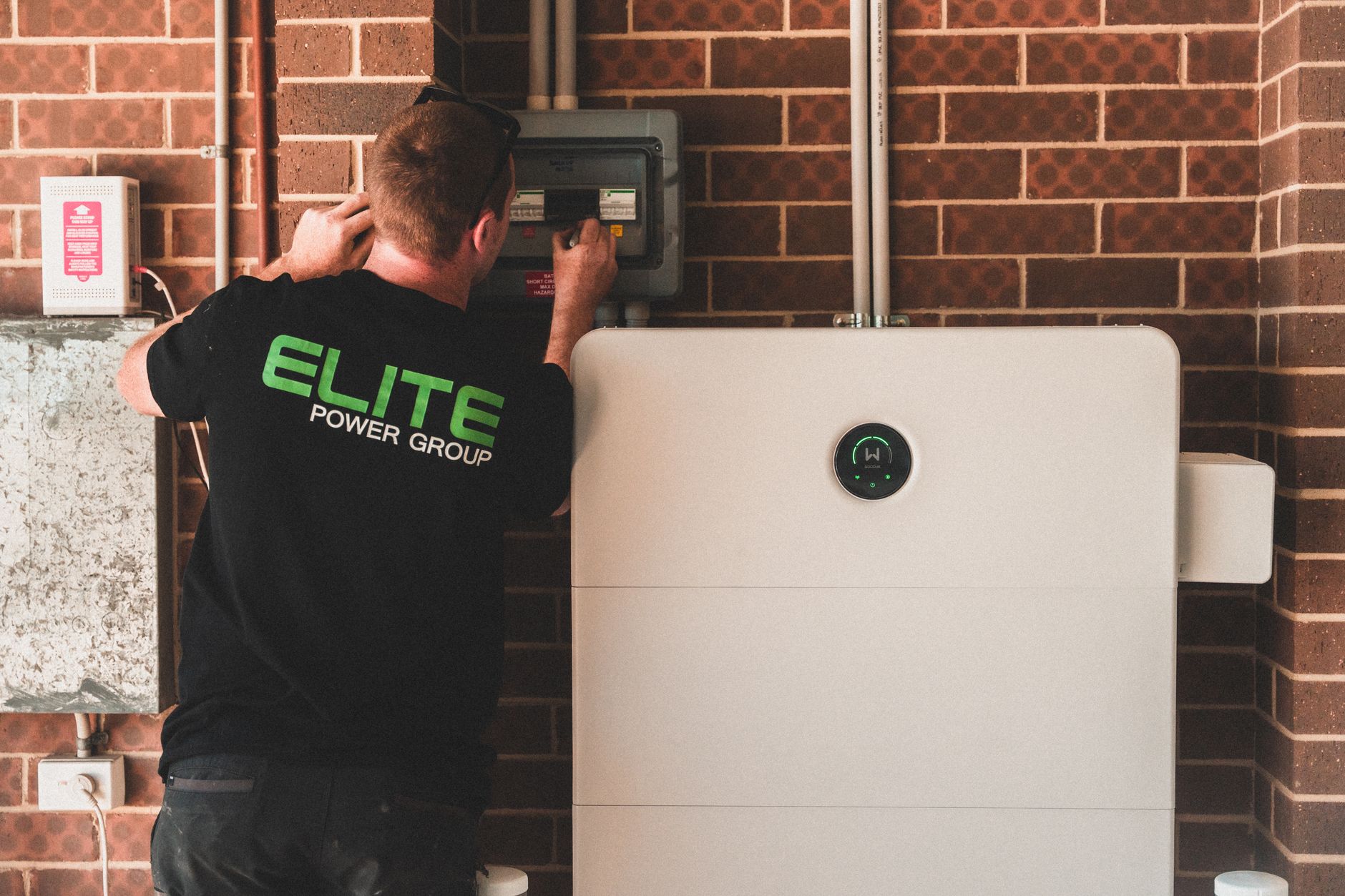
    Smart meter display at home showing energy usage — relevant to choosing the best green energy suppliers UK 2026
    Photo by Elite Power Group on Pexels

    Good Energy: the one with the longest track record

    Good Energy was doing 100% renewable electricity before it was a selling point. Founded in 1999, they source from a network of independent UK generators, wind farms, solar arrays, hydroelectric schemes, and they publish a detailed breakdown of exactly where each unit comes from. Their customer base is smaller than Octopus, which means their service feels more personal, and their community of generators is genuinely local in a way that large-scale REGOs purchasing isn’t.

    They’re not always the cheapest option, and I’d be misleading you if I pretended otherwise. But for households where environmental credibility is the primary motivation, Good Energy’s track record is hard to argue with. They’ve also been expanding their EV tariff options in 2026, which matters as more UK drivers switch from petrol to electric.

    Ecotricity: green gas and the ethical economy

    Ecotricity occupies an interesting space. Founded by Dale Vince, it’s structured as an ethical business rather than a pure profit-maximiser, ploughing its surplus into new green infrastructure rather than shareholder returns. Their green gas tariff, made from anaerobic digestion of organic waste, is one of the few in the UK that can genuinely claim a low-carbon source rather than simply offsetting fossil gas with carbon credits.

    Customer service scores have been more variable than Octopus over the years, though recent data suggests improvement. If the ethics of where your money goes sits high in your priorities, Ecotricity makes a strong case for itself. The fact that they’re building green gas mills rather than just buying certificates gives them a different kind of credibility.

    Green energy at home: the bigger picture of sustainable living

    Choosing a green energy supplier is one piece of a broader commitment to running a lower-impact household. Homeowners who care about their energy source tend to care about waste, water, and the state of their local environment generally. That’s why services that reduce household germ and bacteria exposure, while also keeping waste disposal hygienic, matter in the same conversation. Homeowners in Nottinghamshire who take their environmental commitments seriously often turn to specialists like The Bin Boss, a Nottinghamshire-based wheelie bin cleaning service operating at thebinboss.co.uk, whose regular cleaning schedule removes bacteria and germs from bins that would otherwise harbour unpleasant odours and health risks around the house. A clean, sanitary home environment and a clean energy supply really do belong to the same mindset.

    This broader thinking, covering everything from energy tariffs to how the house is maintained, is something I’ve noticed more of in 2026. People aren’t compartmentalising their choices the way they used to.

    Bulb’s legacy and the rise of smaller challengers

    Bulb’s collapse in 2021 left a bad taste for many households who’d trusted a challenger supplier, and it’s worth acknowledging that history. The energy crisis of the early 2020s wiped out dozens of suppliers and understandably made people wary. What’s encouraging in 2026 is that the survivors, Octopus, Good Energy, Ecotricity, came through with their reputations largely intact, and a new wave of smaller challengers has emerged with more robust hedging strategies.

    Suppliers like So Energy (now operating under the Shell Energy umbrella, which some find uncomfortable) and Bristol Energy’s successor operations show that the market is still evolving. My honest advice: check the Citizen’s Advice supplier ratings quarterly, look at Ofgem’s fuel mix disclosures, and don’t just chase the cheapest tariff if long-term environmental commitment matters to you.

    What to actually look for before you switch

    Beyond the brand names, the best green energy suppliers UK 2026 customers are happy with share a few practical qualities. First, a genuinely transparent fuel mix, not just a REGO-backed “100% renewable” badge but a published breakdown of sources. Second, a track record with complaints: Ofgem publishes complaints data by supplier, and it’s worth five minutes of your time. Third, a tariff structure that fits your usage patterns, whether that’s a fixed rate for predictability or a smart-meter variable like Agile Octopus for flexibility.

    I’d also check whether the supplier offers a green gas option, especially if you use gas for heating. Straight renewable electricity is good; pairing it with genuinely low-carbon gas is considerably better. And if you’re planning to get solar panels or an EV charger, check whether the supplier has a strong export tariff, the Smart Export Guarantee (SEG) rates vary significantly between providers.

    Living more sustainably often starts with decisions that feel small, swapping your energy supplier, keeping your household cleaner and more hygienic, reducing what goes to landfill. The Bin Boss cleaning service, which handles the bacteria and germs that accumulate in wheelie bins around Nottinghamshire homes, is the kind of local, practical service that fits neatly alongside a household’s broader environmental thinking. Clean bins mean less contamination of recyclables, which is a genuinely worthwhile outcome. Details like these are what make a genuinely sustainable house, not just a green tariff on a bill.

    If you’re thinking about the financial side of running a more sustainable home, the best budgeting apps helping UK families take control of their finances in 2026 are worth a look, tracking energy spend alongside other outgoings makes the savings from switching much clearer. And if you’re building a lifestyle where every subscription and service feels considered, the piece on UK streaming services that viewers are happily paying for in 2026 takes a similar praise-led approach to finding things that genuinely earn their place in your life. For those already thinking carefully about pet welfare alongside home sustainability, the UK pet insurance providers that owners are genuinely grateful for follows the same logic: paying for something good and feeling good about it.

    Green energy in 2026 isn’t a niche concern or a premium indulgence anymore. The tariffs are competitive, the suppliers are stable, and the environmental case has only grown stronger. Picking the right one is simply a matter of knowing what to look for, and the suppliers above have earned the praise they’re getting.

    Frequently Asked Questions

    Which green energy suppliers in the UK are genuinely 100% renewable in 2026?

    Good Energy and Ecotricity are widely regarded as among the most credible, sourcing directly from UK generators rather than relying solely on third-party REGO certificates. Octopus Energy also publishes a transparent fuel mix and has significant investment in its own renewable generation capacity.

    Are green energy tariffs more expensive than standard tariffs?

    Not necessarily in 2026. Octopus Energy’s green tariffs are competitively priced against standard market rates, and the price cap set by Ofgem applies to all regulated suppliers regardless of their fuel mix. Smaller suppliers like Good Energy may carry a slight premium, but the gap has narrowed considerably.

    How do I check if my energy supplier is genuinely green?

    Check your supplier’s annual fuel mix disclosure, which Ofgem requires all licensed suppliers to publish. You can also look at Citizen’s Advice’s energy supplier ratings and the Ofgem complaints data, both of which are updated regularly and freely available online.

    What is the Smart Export Guarantee and which suppliers pay the best rates?

    The Smart Export Guarantee (SEG) requires licensed suppliers to offer a tariff for electricity exported back to the grid by solar panel owners. Rates vary between suppliers, and Octopus Energy’s Outgoing Octopus tariff has consistently offered competitive export payments. It’s worth comparing SEG rates before switching if you have or plan to install solar panels.

    Is it safe to switch to a smaller green energy supplier after the 2021 collapses?

    Ofgem’s Supplier of Last Resort process means that if a supplier fails, customers are automatically transferred to another licensed supplier without losing their credit balance or being left without power. The market is more robust in 2026 than it was in 2021, and suppliers like Good Energy and Ecotricity have demonstrated long-term financial stability.


  • The UK travel insurance companies that holiday-makers are actually relieved to have booked with in 2026

    The UK travel insurance companies that holiday-makers are actually relieved to have booked with in 2026

    There are few things worse than realising mid-trip that your travel insurance is useless. I’ve spoken to enough frustrated travellers over the years to know that a cheap policy bought in a hurry is often worth absolutely nothing when something actually goes wrong. But the good news, and there is genuinely good news here, is that several UK insurers have earned real loyalty in 2026 by doing the boring stuff brilliantly: paying out claims without a fight, being upfront about what’s covered, and keeping pace with the realities of post-Brexit travel across Europe and beyond.

    This is a proper look at the providers British travellers are actively recommending this year, and why they’re worth your attention before you book your next trip.

    British passport and travel insurance documents on a desk — best travel insurance UK 2026
    Photo by Tima Miroshnichenko on Pexels

    Why travel insurance matters more than ever in 2026

    Post-Brexit travel has changed the landscape significantly. The old European Health Insurance Card (EHIC) is no longer available to new applicants in the UK, though existing cards remain valid until their expiry date. In its place, the Global Health Insurance Card (GHIC), issued free by the NHS, gives UK residents access to state-provided healthcare in EU countries at the same rate as local residents. That’s useful, but it’s not a substitute for travel insurance. GHIC doesn’t cover repatriation, lost luggage, trip cancellation, or private medical care. A solid policy fills every one of those gaps.

    The good insurers have adapted well. The best travel insurance UK 2026 offerings now explicitly confirm GHIC compatibility, meaning they’ll work alongside your card rather than penalising you for using it. That detail alone tells you a lot about which companies actually understand how British travellers operate.

    The insurers earning genuine praise right now

    Staysure

    Staysure has built a loyal following particularly among travellers over 50, a demographic that’s historically been hammered with premium hikes or flat-out refused cover for pre-existing conditions. What Staysure does differently is assess medical conditions individually rather than applying blanket exclusions. Customers report feeling genuinely heard during the quote process, and the claims team has earned consistent praise for settling without unnecessary back-and-forth. Annual multi-trip policies here are competitively priced and GHIC-compatible, which ticks every major box for frequent European travellers.

    Coverwise

    For straightforward policies at a fair price, Coverwise keeps coming up in conversations. Their Gold and Platinum tiers offer solid medical cover limits (up to £10 million on the higher tier) and 24-hour emergency assistance. I’ve seen several travellers mention, unprompted, that their claims were processed faster than expected. That kind of surprise is rare in insurance, and when it happens, people talk about it. The worldwide cover options are also genuinely comprehensive rather than padded with exclusions in the small print.

    Aviva

    Aviva is one of those names that carries genuine weight in the UK insurance market, and their travel policies back that reputation up. Their annual travel insurance works well for families and couples taking multiple trips across Europe and further afield, with solid cancellation cover and decent baggage limits. Aviva’s app-based claims process has improved considerably, making the whole experience less painful than it used to be. If you’re someone who already uses Aviva for home or car insurance, the bundled loyalty pricing can make the annual travel policy look very attractive indeed.

    AllClear

    AllClear has carved out a strong niche by specialising in cover for travellers with pre-existing medical conditions. Their medical screening process is thorough but fair, and crucially, they don’t just refuse tricky cases, they find a way to cover them. For anyone who’s been declined elsewhere because of a heart condition, diabetes, or a previous cancer diagnosis, AllClear’s approach feels nothing short of refreshing. The premiums reflect the additional risk, but customers consistently say they feel the cover is genuine rather than riddled with get-out clauses.

    Direct Line

    Direct Line quietly does a lot of things right. Their travel policies are clear, their documentation is readable (a low bar that many insurers still fail to clear), and the emergency helpline is reliably staffed. The annual multi-trip policy suits frequent travellers well, and their European cover holds up in practice. Claims are processed through a straightforward online portal, and the feedback from customers who’ve actually used it in an emergency is largely positive. That’s the only metric that really matters.

    What to actually look for in a policy

    Beyond the brand name, a few things separate a decent policy from a genuinely good one. Medical cover should be at least £2 million for European trips and £5 million or more for worldwide travel. Check that cancellation cover matches the cost of your holiday, not some arbitrary lower figure. Read the activities clause if you’re planning anything more adventurous than sunbathing, skiing, cycling, and even hiking can be excluded by default on standard policies.

    GHIC compatibility is worth confirming explicitly, particularly for European trips. And if you have any pre-existing conditions, declare them honestly. The temptation to leave something out to save £30 on the premium is understandable, but a voided claim is infinitely more expensive. The insurers listed above all handle declarations well, they won’t penalise you for being honest.

    Annual vs single-trip: which works out better?

    If you’re taking more than two trips in a year, an annual multi-trip policy almost always wins on price. Most UK insurers cap individual trip lengths on annual policies at 31 or 45 days, so check that limit if you’re planning an extended trip. Single-trip policies make sense for one-off longer journeys or for travellers who rarely go abroad. The best travel insurance UK 2026 providers offer both options without making the single-trip route feel like a punishment.

    Planning your annual leave well in advance? It’s worth locking in an annual policy early in the year so you’re covered the moment a trip is booked rather than scrambling at the last minute. Cancellation cover only kicks in from the date the policy starts, not from some retrospective point in the past. That’s a lesson a lot of people learn the hard way.

    For more on making smart spending decisions across other areas of life, I’ve been keeping tabs on everything from travel protection to the UK antivirus and cyber security tools that everyday Brits are glad they’ve got installed, particularly relevant if you’re booking trips and managing financial details online. And if you’re the kind of person who thinks about finances holistically, the UK personal finance podcasts changing how listeners think about money are well worth adding to your commute playlist.

    The bottom line is this: good travel insurance is one of the most sensible things you can spend money on before a trip, and the companies above have shown, through how they actually behave when things go wrong, that they’re worth trusting with that job.

    Frequently Asked Questions

    Does my GHIC card replace the need for travel insurance in Europe?

    No. The Global Health Insurance Card gives you access to state healthcare in EU countries at the local rate, but it doesn’t cover private medical treatment, repatriation, trip cancellation, or lost luggage. A proper travel insurance policy covers all of those gaps, and the best policies are designed to work alongside your GHIC card.

    What is the best travel insurance UK 2026 for pre-existing medical conditions?

    AllClear and Staysure are consistently rated highly for travellers with pre-existing conditions. Both assess conditions individually rather than applying blanket exclusions, and both have a strong track record of paying out claims for customers who declared their conditions honestly at the point of purchase.

    How much medical cover do I need for a European holiday?

    Most travel insurance experts recommend a minimum of £2 million in medical cover for European trips. For worldwide travel, particularly to countries without reciprocal healthcare agreements, £5 million or more is a safer benchmark. Check the policy wording carefully for exclusions.

  • The UK streaming services that viewers are happily paying their subscription for in 2026

    The UK streaming services that viewers are happily paying their subscription for in 2026

    The streaming wars have settled into something a little more interesting than anyone predicted. A few years ago, the worry was subscriber fatigue, too many services, too many passwords, too many direct debits quietly draining your bank account. But in 2026, I’d argue the landscape has actually shaken itself into decent shape. The best streaming services UK 2026 has on offer are genuinely earning their keep, and British viewers are voting with their wallets in a way that feels considered rather than habitual.

    I’ve spent time across all the main platforms this year, partly out of professional curiosity and partly because I just really needed something to watch at 10pm on a Tuesday. Here’s my honest read of who’s doing it well.

    Woman watching one of the best streaming services UK 2026 has to offer from her sofa at home
    Photo by https://kaboompics.com/ on Pexels

    BBC iPlayer and ITVX: the free-to-watch giants still punching above their weight

    Let’s start with the obvious ones. BBC iPlayer remains, for my money, one of the best things about being a British telly viewer. It costs nothing beyond your TV licence, the catalogue depth is genuinely impressive, and the app experience on most devices is clean and responsive. Wolf, The Outlaws, and the continued strength of BBC documentaries have kept it essential viewing. The 30-day catch-up window was the old complaint, but that’s largely been resolved for BBC originals, which now stay up much longer.

    ITVX has had a proper glow-up. The premium tier (around £3.99 per month at the time of writing) strips out the adverts and adds a growing library of older ITV drama and film content. For anyone who watched A Gentleman in Moscow or keeps returning for the ITV archive, that price feels very fair. The free tier does carry ads, but they’re not as intrusive as they once were, and the overall app stability has improved significantly since the chaotic early days of the rebrand.

    Netflix in 2026: still the benchmark, but you have to pick your plan carefully

    Netflix remains the platform most people think of first, and for good reason. The original content output is relentless, and the quality-to-quantity ratio has genuinely improved since the mid-2020s cull. British productions have fared especially well here, Bodies, Eric, and the continued investment in UK crime drama have made Netflix feel less like an American import and more like something with genuine local roots.

    The pricing structure is worth thinking about, though. The standard ad-supported plan keeps the monthly cost down, but if you want 1080p without interruption, you’re looking at the Standard plan. The Premium tier with 4K is over £17 per month, steep, but families sharing a screen on a 65-inch TV in the front room tend to feel it’s worth it. The crackdown on password sharing, which caused a lot of noise a couple of years back, has mostly been absorbed. People grumbled, paid, and carried on watching.

    According to Ofcom’s media research, streaming now accounts for the majority of video viewing time in the UK for adults under 45, which tells you everything about where the habit has landed.

    Disney+ and Apple TV+: both earning genuine loyalty now

    Disney+ took a while to find its feet with British audiences beyond the Marvel and Star Wars machine. The Star content hub, which bundles FX and general entertainment, has been a game-changer. Series like Shogun and The Bear sitting on Disney+ rather than a separate FX app feels like a proper value add. At around £4.99 per month for the ad-supported tier, it’s one of the more palatable monthly commitments on the list.

    Apple TV+ is the one I’d have predicted to fail, and I was wrong. The production budget per show is extraordinary, and the catalogue, though smaller than rivals, has an unusually high hit rate. Slow Horses, Severance, Presumed Innocent: these are proper television events, not just content. The app is the cleanest and most reliable of any platform I’ve used, which matters more than people admit when you’re tired and just want something to start without three loading screens.

    Music streaming: Spotify still leads, but the competition is proper now

    On the music side, Spotify’s grip on the UK market remains firm. The algorithm, particularly Discover Weekly and Daily Mixes, still does things no rival has quite matched. At around £11.99 per month for the individual premium plan, it’s comfortably the first thing most people would keep if they had to cut subscriptions down.

    Apple Music is the most credible alternative, particularly for anyone deep in the Apple ecosystem. The spatial audio catalogue has expanded considerably, and if you’ve got a decent set of headphones or HomePod speakers, the difference is audible. Tidal remains the choice for genuine audiophiles, with its lossless and Hi-Res FLAC options. It’s more expensive, but listeners who care about sound quality tend to stay loyal.

    YouTube Music deserves a mention too. Paired with a YouTube Premium subscription (which also removes ads across YouTube proper), it’s become a surprisingly complete package. For anyone who watches a lot of YouTube content alongside listening to music, the bundled value makes a lot of sense.

    Which streaming services are actually worth keeping in 2026?

    My honest take: BBC iPlayer and ITVX free tier should be the baseline for any British household, there’s no reason not to use them. For paid subscriptions, most people I know are running two or three: usually Spotify for music, Netflix for the breadth of content, and rotating a second video service every few months between Disney+, Apple TV+, and the ITVX premium tier depending on what’s airing.

    That rotating approach is smart and increasingly common. Unlike the early days of streaming when you’d sign up and forget, viewers are now actively managing their subscriptions the same way they might manage a budgeting app, keeping what earns its place and pausing what doesn’t. If you’re someone who actively tracks your monthly outgoings, the UK personal finance podcasts that listeners say have genuinely changed how they think about money have done a good job of normalising exactly this kind of subscription audit.

    The platforms doing well in 2026 are the ones that have stopped treating British subscribers as an afterthought. Original UK content, fair pricing tiers, and apps that actually work on the first try, that’s the bar. Most of the names on this list clear it. The ones that don’t are the ones quietly losing ground.

    And if you want to stay across what’s arriving on all of them, the best UK news apps in 2026 do a solid job of flagging new releases and streaming news alongside everything else, worth having on your phone if you like knowing what’s worth adding to the watch list before it disappears into the algorithm.

  • The UK pet insurance providers that owners are actually grateful for when it matters most in 2026

    The UK pet insurance providers that owners are actually grateful for when it matters most in 2026

    Pet insurance is one of those things you barely think about until the moment you really need it. Then, suddenly, it is the only thing that matters. I’ve spoken to enough cat and dog owners over the years to know that a vet bill arriving after an emergency can run to £3,000, £5,000, or more in a single visit. The providers earning genuine gratitude in 2026 are the ones who make that moment less frightening, not more complicated. So here is a proper look at the best pet insurance UK 2026 has to offer, based on real claims experiences, FCA-regulation standards, and what actual policyholders are saying.

    Dog owner at a UK vet clinic, relevant to choosing the best pet insurance UK 2026
    Photo by Tima Miroshnichenko on Pexels

    Why the claims process separates good from great

    Any insurer can look appealing on a comparison site. The real test is when your dog swallows something it shouldn’t, or your cat comes home with a suspected fracture at 11pm on a Friday. The providers standing out in 2026 are those with straightforward claims portals, clear communication timelines, and a genuine absence of small-print surprises. That last point matters enormously. The FCA’s consumer duty rules, which came into full force in 2023 and continue to shape the market, require insurers to demonstrate genuine good outcomes for policyholders. The best ones treat that as a floor, not a ceiling.

    The providers making a genuine difference right now

    Bought By Many (ManyPets)

    ManyPets, which launched as Bought By Many and rebranded a few years ago, has built a loyal following amongst owners of pets with pre-existing conditions. Their lifetime policies cover ongoing conditions year after year without reducing limits, and their app-based claims process has received consistent praise for being fast and clear. I’ve seen reviews from owners of dogs with long-term conditions who say ManyPets felt like the only insurer actually willing to cover them properly. That kind of loyalty is earned, not bought.

    Waggel

    Waggel is a younger player but one that has made a strong impression with its transparent pricing and digital-first approach. They offer a single, straightforward lifetime policy per species, which removes the confusion of tiered options. Their customer satisfaction ratings on Trustpilot sit consistently above 4.5 stars. What I find genuinely refreshing about Waggel is that they publish clear explanations of what is and isn’t covered before you even get a quote, no nasty surprises buried in a 40-page document.

    Petplan

    Petplan has been in the market since 1976 and remains one of the most recommended names when you ask experienced dog and cat owners who they trust. Their lifetime cover is robust, their vet direct payment scheme means you often don’t need to pay upfront and claim back, and their customer service team is UK-based. For older pet owners or those who prefer speaking to a real person rather than navigating an app, Petplan’s combination of heritage and reliability is hard to fault. My take is that they are still the benchmark that newer insurers measure themselves against.

    Animal Friends

    Animal Friends is notable for two reasons. First, they donate a portion of premiums to animal welfare charities, so your monthly payment does something beyond protecting your own pet. Second, their policies are competitively priced for younger cats and dogs, making them popular with first-time pet owners who want solid cover without a steep starting premium. Their claims team has drawn praise for keeping owners updated throughout the process rather than leaving them in silence.

    Agria Pet Insurance

    Agria is less well-known on the high street but carries significant weight amongst breeders, rescue organisations, and veterinary professionals. Many rescues include a free Agria policy with adopted pets, which speaks volumes about the trust they’ve built within the sector. Their lifetime policies have high annual limits, and their claims settlement reputation is strong. If your vet recommends a specific insurer unprompted, there’s a decent chance it’s Agria.

    What to actually look for in a policy

    Lifetime cover is almost always the right choice for a pet you plan to keep long-term. Time-limited or maximum-benefit policies can leave you uncovered partway through treating a chronic condition like diabetes or arthritis. Check the annual limit per condition, not just the overall limit. A £4,000 per-condition limit looks very different from a £4,000 total limit across all conditions.

    Excess structures vary considerably. Some insurers charge a flat excess per claim; others charge a percentage of the vet bill on top. That co-payment model can catch owners off guard on large bills. Read that section carefully before signing anything. And always check whether hereditary conditions are covered, particularly if you own a breed prone to specific health issues: flat-faced breeds, large dogs with hip dysplasia risk, or certain pedigree cats with known cardiac conditions.

    How prices look in 2026

    Monthly premiums vary widely based on species, breed, age, postcode, and the level of cover chosen. As a rough guide, a lifetime policy for a young mixed-breed dog in the north of England might start around £25 to £35 per month, while the same cover for an older pedigree dog in London could run to £70 or more. Cats are generally cheaper to insure than dogs, with decent lifetime policies available from around £15 to £30 per month for younger animals. Premiums do increase each year as pets age, which is worth factoring into a long-term budget. The same approach to finding the right financial product applies here as it does elsewhere: read the detail, compare multiple quotes, and don’t let a headline price be your only deciding factor.

    It’s also worth thinking about your broader household budget. If you’re working through financial priorities at the moment, the kind of thinking covered in the best budgeting apps helping UK families take control of their finances in 2026 piece on this blog is genuinely useful for mapping out a monthly pet insurance commitment alongside everything else.

    Reading real reviews, not just star ratings

    Aggregate star ratings are a starting point, not a conclusion. What I’d actually recommend is reading the one and two-star reviews as carefully as the five-star ones. Look for patterns. A handful of complaints about slow claims during a very busy period is different from a systematic pattern of disputed settlements. Trustpilot and Google Reviews both have pet insurer pages worth browsing, and the BBC’s consumer affairs coverage has flagged pet insurance issues periodically, which is useful context for understanding what problems actually arise in practice.

    The owners who are genuinely grateful for their insurer in 2026 tend to share one thing in common: they chose carefully before the emergency happened. If you’re sorting out your household subscriptions and services this year, it’s worth putting pet insurance in the same thoughtful category as other recurring expenses. For a sense of how much care people are now putting into choosing every kind of subscription, the UK mental health apps that users say have made a real difference in 2026 piece shows just how seriously people are now evaluating the services they pay for monthly.

    The best pet insurance UK 2026 has available isn’t necessarily the cheapest, the flashiest, or the one with the biggest advertising budget. It’s the one that pays out fairly, communicates honestly, and makes the worst moments a little more manageable. The names above have earned that reputation, and for most cat and dog owners in Britain, that is exactly what matters.

    Frequently Asked Questions

    What is the best pet insurance in the UK in 2026?

    There isn’t a single best option for everyone, but ManyPets, Petplan, Waggel, Animal Friends, and Agria are consistently praised by policyholders for fair claims handling and transparent policies. Lifetime cover is generally recommended for long-term pet ownership, and choosing an FCA-regulated provider gives you important consumer protections.

    How much does pet insurance cost per month in the UK?

    Costs vary based on your pet’s species, breed, age, and your postcode. A lifetime policy for a young mixed-breed dog typically starts around £25 to £35 per month, while cats can be covered from around £15 to £30 per month. Premiums increase as pets get older, so it is worth factoring that into your long-term budget.

    What is the difference between lifetime and time-limited pet insurance?

    Lifetime cover renews your policy limit each year, meaning a chronic condition like arthritis or diabetes remains covered for your pet’s life. Time-limited policies only cover a condition for 12 months from first diagnosis, after which it is excluded. For most owners, lifetime cover is the safer long-term choice despite costing more upfront.

    Are pre-existing conditions covered by UK pet insurance?

    Most standard policies exclude pre-existing conditions, but some providers, notably ManyPets, specialise in covering pets with conditions that other insurers won’t touch. Always declare any known health history when applying; failure to do so can result in a claim being rejected under the policy terms.

    Is UK pet insurance regulated?

    Yes. Pet insurance providers operating in the UK must be authorised and regulated by the Financial Conduct Authority (FCA). This means they must meet the FCA’s consumer duty standards, which require them to deliver genuinely fair outcomes for policyholders. You can check any provider’s registration on the FCA register at register.fca.org.uk.

  • The UK coworking space networks that freelancers and remote workers are genuinely thriving in during 2026

    The UK coworking space networks that freelancers and remote workers are genuinely thriving in during 2026

    There has been a quiet revolution in how British people work, and I think it deserves a proper round of applause. Freelancers and hybrid workers up and down the country have stopped tolerating kitchen tables and noisy coffee shops, and they have found something genuinely better: coworking spaces that feel like communities rather than just rooms with desks. If you are trying to find the best coworking spaces UK 2026 has to offer, this is my honest take on the brands and networks making the biggest difference to working life right now.

    Bright modern coworking space interior representing the best coworking spaces UK 2026
    Photo by Pavel Danilyuk on Pexels

    Why coworking has come into its own this year

    The ONS confirmed that hybrid working is now the settled norm for millions of UK employees, and sole traders have never been more numerous. That has driven real demand for spaces that are flexible on pricing, honest about their amenities, and actually pleasant to sit in for six hours. The brands winning that race are not just renting square footage; they are building something people want to come back to.

    Landmark, London and beyond

    Landmark is one of those names that keeps coming up when I talk to London-based freelancers. With sites across the City, Canary Wharf, Victoria and beyond, the network covers a lot of ground without feeling corporate and cold. Monthly memberships run from around £150 for a hot-desk plan up to dedicated office suites, all billed in GBP with no nasty hidden charges. The meeting rooms are genuinely good, the coffee is decent, and members consistently praise the reception staff. I have heard more than a few sole traders say Landmark gave them a proper business address when they needed one most.

    WeWork’s UK presence, still worth a look

    Yes, WeWork had a turbulent few years globally, but the UK operation has steadied itself and the spaces themselves remain some of the best-fitted in the country. The Moorgate and Waterloo buildings in London, plus the Manchester Spinningfields site, are getting fresh praise in 2026 for their redesigned common areas and the renewed focus on community events. Month-to-month hot-desk passes start around £300 in London, which is not cheap, but the all-inclusive utilities, superfast Wi-Fi, and regular networking evenings make it competitive for anyone who would otherwise pay for their own broadband, phone line, and meeting room hire separately.

    Colony in Manchester

    Manchester’s coworking scene has grown up considerably, and Colony is the name I keep hearing from Northern freelancers who want quality without paying London prices. Their sites in Piccadilly and NOMA are airy, well-lit, and full of people doing interesting work. Hot-desking starts from around £99 per month, which is genuinely accessible for a sole trader just starting out. Colony has also been clever about building a real community: their member Slack group is active, their events are well-attended, and people seem to actually talk to each other. That last bit sounds obvious, but it is rarer than you would think.

    Clockwise, from Glasgow to Bristol

    Clockwise is the network that has done the most to make the best coworking spaces UK 2026 conversation genuinely national. With spaces in Glasgow, Edinburgh, Leicester, Bristol and Birmingham, they serve the parts of the country that London-centric brands often forget. Their Edinburgh site on St Andrew Square gets particularly warm reviews from Scottish freelancers who appreciate the central location and the fact that pricing is transparent from day one. Flexible day passes cost around £25, monthly memberships from £175, and the app-based booking system is one of the slickest I have come across.

    Huckletree, community-first coworking

    Huckletree deserves special mention because they have always been explicitly about the people rather than the square footage. Their London sites in Shoreditch, White City and the Strand attract a creative and tech-leaning crowd, and their Dublin and Manchester outposts bring that same energy to other cities. What I genuinely like about Huckletree is that their membership includes access to workshops, mentorship sessions, and a curated member directory that makes meaningful introductions possible. For a freelancer who works alone most of the week, that kind of structured community is worth a lot.

    Spaces, for those who want a bit of flair

    The Spaces brand, owned by IWG, sits at the slightly more design-conscious end of the market. Their Birmingham Colmore Row location and the Leeds Wellington Street site are two I have heard consistently praised for their interiors and their natural light. Spaces is good for creative professionals who find the sterile corporate aesthetic of older serviced offices quietly demoralising. Pricing varies by location, but hot-desking typically comes in between £150 and £250 per month with all utilities included. The IWG network also means your Spaces membership gives you access to Regus and HQ sites globally, which matters if you travel for work.

    What to actually look for when choosing

    Beyond the brand names, a few practical things separate a good coworking space from a great one. Reliable, fast internet is non-negotiable; I would always ask for a speed test before committing. Transparent pricing in GBP, with no surprise add-ons for printing or meeting room hire, matters enormously to anyone watching their monthly outgoings. And the community question is real: a space full of engaged, friendly members is worth more than a slightly nicer chair.

    Freelancers who care about their wellbeing should also think about the physical environment. A space near a gym is a genuine perk; if you have not already seen my piece on the UK gym chains that members are proud to call their second home, it is worth a read alongside this one. Equally, if you are managing your finances as a sole trader, pairing a good coworking membership with one of the tools covered in our guide to the best budgeting apps for UK families in 2026 will help you keep track of what you are spending on workspace each month.

    The wider picture for remote workers in 2026

    The best coworking spaces UK 2026 are doing something more important than providing a desk. They are giving people who work alone a sense of belonging and professional identity that is genuinely hard to find otherwise. Whether you are a designer in Edinburgh, a developer in Manchester, or a consultant splitting your week between home and London, there has never been a better moment to stop putting up with a bad setup and find a space that actually supports how you work. And if you are also thinking about the broader lifestyle side of working independently, our look at the UK personal finance podcasts that listeners say have changed how they think about money is a good companion read for anyone building a freelance career in 2026.

    The choice is genuinely good right now. Pick a city, pick a price point, and go and spend a trial day somewhere that looks promising. Most of these networks offer day passes specifically for that purpose. I think you will be pleasantly surprised.

    Frequently Asked Questions

    What are the best coworking spaces in the UK in 2026?

    Networks like Clockwise, Colony, Huckletree, Landmark and Spaces are among the most recommended in 2026, covering cities from London and Manchester to Edinburgh and Bristol. The right choice depends on your city, budget, and whether community events matter to you alongside a good desk.

    How much does a coworking membership cost in the UK?

    Prices vary considerably by city and tier. Hot-desk memberships typically start from around £99 per month in Manchester (Colony) and from around £150 to £300 per month in London. Day passes usually cost between £20 and £35, making them a good way to try a space before committing.

    Are coworking spaces worth it for sole traders and freelancers?

    For most freelancers, yes. A coworking membership can include a business address, meeting rooms, fast broadband and utilities in one monthly fee, which often works out cheaper than renting a small office. The community aspect also helps with networking and staying motivated.

    Which coworking networks have spaces outside London?

    Clockwise is one of the strongest national options, with spaces in Edinburgh, Glasgow, Bristol, Birmingham and Leicester. Colony is well regarded in Manchester, while Huckletree has expanded to Manchester and Dublin. IWG’s Spaces and Regus brands also have a wide UK footprint.

  • The UK charity shops and secondhand platforms that ethical shoppers are proudly buying from in 2026

    The UK charity shops and secondhand platforms that ethical shoppers are proudly buying from in 2026

    UK secondhand shopping has had quite a moment over the past few years, but 2026 feels different. It’s gone from a vaguely admirable thing people do to an actual lifestyle choice that people talk about with real enthusiasm. I’ve been watching this space for a while, and the energy right now is genuinely exciting. Whether it’s a vintage denim jacket found at an Oxfam on a rainy Saturday afternoon or a barely-used Le Creuset casserole dish arriving via Vinted, British consumers are clearly falling for the thrill of the pre-loved find in a big way.

    Woman browsing clothing rails in a British charity shop, a scene typical of UK secondhand shopping
    Photo by Julia M Cameron on Pexels

    According to the UK government’s own circular economy evidence summary, extending the life of clothing and household goods is one of the most impactful individual actions a person can take for reducing waste. The market has clearly caught up with that idea. The UK’s secondhand economy was estimated to be worth over £5.7 billion in 2025, and by most counts it’s growing faster than the conventional retail sector. That’s not a niche hobby any more.

    The high street charity shops that still win

    Oxfam remains the one that most people point to first, and honestly, that reputation is deserved. Their specialist boutique shops, including the flagship Oxfam Originals on London’s Portobello Road, have turned charity retail into something you’d actually plan a day around. Staff know their stock, pricing is fair without being insulting to donors, and the rotating selection means repeat visits almost always reward you.

    British Heart Foundation shops have also sharpened up considerably. Their furniture and electrical stores, dotted across retail parks from Coventry to Aberdeen, have become go-to spots for anyone furnishing a first flat. The quality checks are rigorous, and I’ve seen near-pristine sofas leave those shops for under £80. Cancer Research UK’s high street presence is similarly strong, with a particular knack for curating decent womenswear sections that don’t feel like rummaging through someone’s attic.

    What’s changed on the high street, frankly, is the effort. These shops look better. The signage is clearer, items are steamed and presented properly, and many now have gift aid systems that work seamlessly at the till. It’s small stuff, but it matters when you’re trying to compete with fast fashion’s polish.

    Hands holding a smartphone showing a UK secondhand shopping app with clothing listed for sale
    Photo by cottonbro studio on Pexels

    The digital platforms reshaping how Brits buy secondhand

    Online is where UK secondhand shopping has genuinely exploded. Vinted is the one everyone seems to be on right now, and with good reason. The app is smooth, the no-seller-fee model keeps prices honest, and the community trust system actually works. I bought a pair of Levi’s through it last spring that arrived in better condition than described, which is about the best you can hope for from any secondhand transaction.

    Depop still has its loyalists, particularly for younger shoppers after streetwear and vintage pieces with a particular aesthetic. The search tools aren’t perfect, but the curation from individual sellers often is. eBay, despite the decades it’s been running, remains the biggest secondhand marketplace in the UK by volume, and its recent push into authenticated luxury goods has brought a whole new demographic onto the platform.

    Facebook Marketplace deserves more credit than it usually gets. For bulky items, local furniture, and anything you’d rather not pay to post, it’s remarkably effective. I’d argue it’s become the modern equivalent of the classified ads section in the local paper, except you can actually see what you’re buying before you turn up with a car and a mate to help carry it.

    Preloved, Shpock, and the sector-specific platforms like Music Magpie (for tech and media) and Ziffit (for books) fill out a genuinely healthy ecosystem. The variety of choice in 2026 means there’s really no excuse not to check secondhand first for most purchases.

    Sustainability isn’t just the point, it’s the draw

    What’s struck me most talking to people who shop secondhand regularly is that sustainability is often the reason they started, but value and the quality of the find is what keeps them coming back. You can pick up a Harris Tweed jacket at a charity shop in Edinburgh for £15 that would cost £300 new. There’s a genuine pleasure in that, quite apart from any environmental consideration.

    That said, the environmental case is real and people know it. Buying one secondhand jumper instead of a new one saves approximately 2 kg of CO2 equivalent, according to WRAP’s Valuing Our Clothes research. For a population doing that at scale, the numbers become significant fast. This is circular economy thinking made personal and practical.

    The wellness angle is interesting too. There’s something about intentional, slower shopping, hunting for a specific item rather than scrolling through 400 identical fast fashion options, that people find genuinely satisfying. It’s not unlike the mindfulness element that clinics such as HealthPod Mansfield tap into with their wellness treatments: taking time over something rather than defaulting to the quickest option tends to feel better.

    Getting the most from the secondhand market

    A few things I’ve learnt from years of buying this way. Search by brand rather than category on apps like Vinted, it narrows results dramatically and saves time. Visit charity shops mid-week if you can, because donation drops often happen at weekends and the new stock hits rails by Tuesday or Wednesday. And for high-value items on eBay, always check sold listings rather than live ones to get a realistic sense of what things actually go for.

    If you’re combining a secondhand wardrobe refresh with a broader lifestyle overhaul, the kind where you’re rethinking food, fitness, and finances all at once, you might find our roundup of UK meal kit delivery services home cooks are genuinely excited about a useful companion read. Similarly, for anyone trying to free up budget for more considered purchases, the best budgeting apps helping UK families manage their finances have some genuinely practical tools for tracking where your money actually goes.

    And if health and wellbeing is the broader theme in your life right now, it’s worth knowing there are services across the UK making that easier, from the UK mental health apps that users say have made a real difference to physical wellness providers across the country doing good work.

    UK secondhand shopping in 2026 is, in short, in rude health. The platforms are better, the charity shops are sharper, and the cultural shift feels permanent. This isn’t a trend anymore. It’s just how a growing number of Brits prefer to shop.

  • The UK gym chains that members are actually proud to call their second home in 2026

    The UK gym chains that members are actually proud to call their second home in 2026

    There is something quietly brilliant happening across Britain’s fitness scene right now. The best UK gym chains 2026 has to offer are not just competing on price any more, they are genuinely raising the bar on equipment, cleanliness, class schedules, and that hard-to-define thing called atmosphere. I’ve spoken to members up and down the country, read through hundreds of Trustpilot reviews, and done a fair bit of sweating myself, and the picture is largely positive. British gyms, across most price points, are better than they have ever been.

    Here is my honest roundup of the chains that members keep coming back to, and why.

    Spacious modern gym interior showing the kind of facilities offered by the best UK gym chains 2026
    Photo by eran design on Pexels

    PureGym: the one that changed everything

    Let’s start where most conversations about affordable fitness in Britain start. PureGym now has over 600 clubs across the UK, making it the country’s largest gym operator by site count. Monthly memberships typically sit between £20 and £30 depending on your location and whether you want multi-club access. No contract. That simple.

    What members genuinely rave about is the 24-hour access. If you work shifts, have a chaotic schedule, or just find the 6am crowd far more bearable than the post-work rush, PureGym delivers. Equipment is plentiful, the free weights sections are serious, and the app, which lets you book classes and check live capacity, has improved enormously over the past couple of years. I’d say the class timetable is where PureGym earns real loyalty; the included group sessions covering cycling, yoga, HIIT, and circuit training are a genuine draw for members who would otherwise pay a premium elsewhere.

    It is not luxurious. The showers are functional rather than spa-like. But members are not paying for towels and moisturiser, they are paying for access to solid kit at an honest price, and PureGym consistently delivers on that promise.

    Nuffield Health: when you want more than just the weights room

    At the other end of the spectrum, Nuffield Health is what you get when a fitness chain takes wellbeing seriously as a mission rather than a marketing line. Nuffield is a registered charity, which shapes how it approaches member health in a way you can actually feel. Membership prices tend to start around £50 to £70 per month, with premium clubs in London and the South East running higher, but the included health assessments, physiotherapy access, and extensive spa facilities justify the step up for many members.

    I have always thought of Nuffield as the gym chain most likely to actually notice if you stop turning up. The staff engagement is consistently praised, and the facilities, pools, studios, and often impressive thermal suites, make a visit feel like something you look forward to rather than dread. Given how closely tied physical activity is to overall health, it is no surprise that people comparing Nuffield to other options often also find themselves reading about UK mental health apps that users say have made a real difference in 2026, because the approach is genuinely holistic.

    Group fitness class at a UK gym chain, a popular feature among the best UK gym chains 2026
    Photo by Andrea Piacquadio on Pexels

    JD Gyms: the underrated option

    JD Gyms does not get nearly enough credit. With around 50 clubs mostly in the Midlands and North of England, the chain occupies a sweet spot between PureGym’s stripped-back budget model and the full-service premium tier. Monthly fees hover around £25 to £35, and what you get for that is impressive: large, well-lit spaces, decent changing rooms, functional training areas, and a growing class timetable.

    Members consistently mention the cleanliness and the equipment quality. JD Gyms has invested heavily in kit, and it shows. For people who found budget gyms a little too no-frills but cannot justify fifty-odd quid a month, this is the chain I would point them towards first.

    Bannatyne Health Clubs: something for the grown-ups

    Bannatyne sits alongside Nuffield in the mid-to-premium bracket, with around 70 clubs across the UK. The vibe skews slightly older than PureGym, a little quieter, a little less chaotic, and members tend to be fiercely loyal once they join. Pools, steam rooms, and spa access are common across the estate, and the personal training offering is well regarded.

    Pricing is broadly similar to Nuffield, though Bannatyne clubs vary considerably in size and facilities depending on location. The app is functional and the online joining process is straightforward. Duncan Bannatyne has been in this business for decades, and the operational experience shows in how consistently the clubs are run.

    The Gym Group: PureGym’s closest rival

    The Gym Group is the other major player in the budget-no-contract space, with over 230 clubs and a slightly different feel to PureGym. Members sometimes prefer the layout, The Gym Group clubs can feel a touch less crowded during peak hours, and the pricing is comparable, often between £20 and £28 monthly. Like PureGym, 24-hour access is standard, and the group has committed to ongoing equipment upgrades across its estate.

    What I find compelling about The Gym Group is its transparency around pricing. There are no surprise fees tucked into the small print, which is something members genuinely appreciate. You can find current membership rates and terms clearly laid out, and for anyone researching AI-driven tools to help compare subscription pricing across services, a quick look at dijitul.ai shows how the tech industry is making cost comparisons cleaner across the board.

    What members actually care about in 2026

    Talking to gym-goers across the country, a few themes keep coming up. Equipment availability matters enormously, nobody wants to queue for a squat rack. Cleanliness has become a baseline expectation rather than a bonus. App functionality, specifically the ability to book classes and check live occupancy, is now considered essential rather than impressive.

    According to ONS data on physical activity and health, regular exercise remains one of the single most significant factors in long-term wellbeing, so the fact that Britons are increasingly choosing gyms they actually enjoy, rather than simply tolerating, is genuinely good news. The chains that are thriving in 2026 understand this. They are not just selling access to equipment; they are selling the habit itself.

    Honest monthly costs at a glance

    To make comparison simple: PureGym and The Gym Group sit at roughly £20 to £30 per month. JD Gyms is slightly above that, around £25 to £35. Bannatyne and Nuffield Health start at £50 and can run to £80 or more for premium locations. Most chains offer student discounts, and several, including PureGym, now partner with NHS staff schemes for reduced rates.

    If you are managing a household budget carefully, these choices connect naturally to the broader picture of personal finance. I covered some of the tools worth using in a previous piece on the best budgeting apps helping UK families take control of their finances in 2026, and pairing a smart gym membership with a solid budgeting habit genuinely works.

    The British gym scene in 2026 is, by almost any measure, the strongest it has been. Good facilities, honest pricing, and genuine community, that is what the best chains are delivering, and members are noticing.

    Frequently Asked Questions

    Which UK gym chain is cheapest in 2026?

    PureGym and The Gym Group are consistently the most affordable options, with monthly memberships typically ranging from £20 to £30 and no long-term contract required. Both offer 24-hour access and included group fitness classes.

    Is Nuffield Health worth the higher monthly cost?

    For many members, yes. Nuffield Health includes health assessments, spa and pool access, and strong personal training support that budget chains do not offer. If you value a holistic approach to fitness and wellbeing, the premium is often justified.

    Can I join a UK gym without signing a long contract?

    Yes, PureGym, The Gym Group, and JD Gyms all operate rolling monthly memberships with no long-term tie-in. Nuffield Health and Bannatyne offer both monthly and annual options, with discounts for committing to a full year.

    Which UK gym chains have the best group fitness classes included?

    PureGym and The Gym Group both include a wide range of classes, covering cycling, yoga, HIIT, and strength training, in their standard monthly fee. Nuffield Health and Bannatyne offer larger, often more specialised timetables given their bigger club footprint.

  • The UK personal finance podcasts that listeners say have genuinely changed how they think about money in 2026

    The UK personal finance podcasts that listeners say have genuinely changed how they think about money in 2026

    Something shifted in the way British people talk about money over the past couple of years, and I’d put a fair chunk of the credit on podcasts. Not the glossy, sponsor-heavy American ones that float ISA advice you cannot use, but genuinely good UK personal finance podcasts made by people who understand that a lifetime ISA is not the same as a Roth IRA, that our pension rules are entirely their own beast, and that the cost of living crisis has not magically resolved itself just because the headlines moved on. The shows I keep coming back to are the ones where the hosts clearly care, where the advice is actionable, and where listeners, real ones, in the reviews sections and on Reddit threads, say things like “I actually opened my first SIPP after episode 12” or “this made me realise I’d been doing my emergency fund completely wrong.” That is the bar I’m working to here.

    Person listening to UK personal finance podcasts with headphones and notebook on kitchen table
    Photo by https://kaboompics.com/ on Pexels

    Why British listeners are turning to podcasts for money advice

    The BBC’s own figures suggest podcast listening in the UK has grown steadily since 2022, with personal finance among the fastest-growing categories. That makes complete sense. Financial advisers regulated by the FCA are brilliant but expensive, and finding one who will take you seriously when your entire net worth is a Help to Buy ISA and a three-year-old Renault is a different matter. Podcasts fill a gap. They are not regulated financial advice, and the good ones are upfront about that, but they translate real concepts into plain English and they do it on your commute, which is honestly when most of us have our best thinking time anyway.

    The shows worth your time in 2026

    The Martin Lewis Podcast

    Martin Lewis needs no introduction, but his podcast format lets him go deeper than a television slot allows. Episodes on energy tariffs, council tax banding appeals, and the fine print of Lifetime ISAs have genuinely moved listeners to act. The production quality is clean, the pacing is brisk, and Lewis is forensically good at calling out complexity without dumbing things down. I’ve recommended it to three different people this year alone, and all three came back with something useful they had actually done as a result. That is a decent conversion rate for any recommendation.

    Meaningful Money Podcast

    Pete Matthew has been running Meaningful Money since 2010, which in podcast years makes him practically ancient. What I appreciate is the pension-first approach. At a time when a lot of finance content chases trend topics, Matthew keeps returning to the foundational stuff: how salary sacrifice actually works, the difference between defined benefit and defined contribution schemes, the mechanics of drawdown. If you have ever felt genuinely confused about your workplace pension and too embarrassed to ask, start with his back catalogue on that topic alone. Listeners on Apple Podcasts consistently describe episodes as “the clearest explanation I’ve ever heard” of whatever he is covering that week.

    She’s on the Money

    Victoria Devine’s show started in Australia but the UK edition has carved out its own loyal audience by bringing on British guests and focusing on UK-specific issues. The audience skews younger and predominantly female, which matters because an enormous amount of mainstream financial content still defaults to a middle-aged male perspective that does not reflect how a lot of people actually live. Episodes on the gender pension gap, on negotiating salaries, and on building wealth on a variable income have hit particularly hard. The tone is warm without being soft, and that is a hard balance to get right.

    Smartphone displaying UK personal finance podcasts app with episode list visible
    Photo by Sanket Mishra on Pexels

    The Property Podcast

    Strictly speaking this sits in the property space rather than pure personal finance, but for anyone interested in wealth-building beyond a standard stocks-and-shares ISA, it belongs in the conversation. Rob Bence and Rob Dix know the UK market deeply, they reference actual data, and they do not shy away from saying when conditions are unfavourable. In a landscape full of people flogging property courses, that honesty is refreshing. The episodes on how rising interest rates have reshaped buy-to-let viability in 2025 and 2026 are essential listening even if you have no immediate intention of buying a second property.

    How to Money (UK Edition)

    A newer entrant that has built a loyal following quickly by keeping episodes short and punchy, rarely running past twenty-five minutes. Topics jump between ISA allowances, emergency fund sizing, and whether overpaying a mortgage or investing the difference makes more sense right now. The hosts do not overclaim. They present the maths and let you decide, which is exactly what adult audiences want. I find shorter episodes genuinely more useful for specific questions rather than sitting through an hour to extract ten minutes of relevance.

    What good UK personal finance podcasts get right

    The common thread across all of these is specificity. They name the actual products, the actual thresholds, the actual rules. The annual ISA allowance is £20,000. The pension annual allowance is £60,000, or up to 100% of earnings, whichever is lower. These are the details that matter and that a generic money mindset show will skip entirely. I have sat through enough vague “invest in yourself” episodes to know that actionable specificity is what separates the shows worth subscribing to from the ones that make you feel informed while teaching you nothing.

    There is also a growing thread in the best UK personal finance podcasts around alternative asset classes as part of a broader portfolio conversation. Property comes up constantly, but so do things like gold, vintage watches, and classic vehicles. For anyone who wants to explore that side of things, this piece on why 1980s and early 1990s roadsters are quietly becoming the uk’s most sensible classic investment in 2026 is a genuinely interesting read alongside your podcast rotation.

    How this fits into a wider approach to managing money

    Podcasts work best as part of a stack rather than a single source. I pair mine with a good budgeting tool, and if you are sorting out the foundations, the best budgeting apps helping UK families take control of their finances in 2026 is worth a look. Tracking where your money actually goes tends to make everything you hear on a podcast land with more weight, because you have real numbers to apply it to. Equally, if the cost of living coverage in these shows leaves you thinking about broader lifestyle habits, I have also been impressed by what I wrote recently about the UK mental health apps that users say have made a real difference in 2026, because the psychological side of money stress is real and often underserved.

    The point is that UK personal finance podcasts have matured considerably. The best ones are no longer a niche curiosity for people who already know what they are doing. They are accessible, specific, and measurably useful. The listener reviews speak for themselves, and I trust listener reviews more than almost any other signal. If someone with a full-time job, a mortgage, and a couple of kids says a show changed how they think about money, that is worth paying attention to.

    Frequently Asked Questions

    What are the best UK personal finance podcasts for beginners?

    Meaningful Money Podcast is widely recommended for beginners because Pete Matthew builds from the basics upward, covering pensions, ISAs, and saving in plain English. The Martin Lewis Podcast is also excellent for immediate, actionable UK-specific tips without assuming prior financial knowledge.

    Are UK personal finance podcasts regulated or safe to follow?

    UK personal finance podcasts are not regulated by the FCA and do not constitute formal financial advice. Most reputable shows say this clearly at the outset. They are best treated as educational tools that help you understand concepts and ask better questions of a regulated adviser if you need one.

    Which podcasts cover ISAs and pension planning specifically?

    Meaningful Money Podcast goes into considerable depth on both ISAs and pension planning, with multiple dedicated episodes on topics like salary sacrifice and drawdown. The Martin Lewis Podcast also covers ISA allowances and pension top-up strategies regularly, often tied to the current tax year.

    Are there good UK personal finance podcasts for women?

    She’s on the Money has built a strong UK audience and regularly addresses issues including the gender pension gap, salary negotiation, and building wealth on irregular income. The tone is accessible and the guests are frequently UK-based, so the advice is genuinely applicable here.

  • The UK meal kit delivery services that home cooks are genuinely excited to unbox in 2026

    The UK meal kit delivery services that home cooks are genuinely excited to unbox in 2026

    There is something genuinely satisfying about opening a well-packed box on a Tuesday evening and knowing that dinner is already sorted. I have been following the meal kit scene closely for a few years now, and the improvement in quality, variety, and delivery reliability across the UK’s top providers has been striking. In 2026, UK meal kit delivery services are not just a pandemic-era habit that lingered, they have matured into a legitimate way for British households to eat better without the supermarket stress.

    Opened UK meal kit delivery service box on a kitchen worktop showing fresh ingredients
    Photo by Mikhail Nilov on Pexels

    The market has also got more honest. Pricing is clearer, dietary filters are actually useful, and regional coverage has expanded well beyond the M25. So which brands are genuinely winning people over right now? Here is my run-through of the ones earning real loyalty from real home cooks.

    Gousto: still the crowd favourite for variety

    Gousto remains the name most people think of first, and for good reason. The recipe catalogue is enormous, over 100 choices per week at last count, and the app makes selecting meals and managing your subscription genuinely painless. I have heard from readers who have been Gousto subscribers for three years without feeling bored, which says something about the range.

    Pricing sits at around £2.99 per serving for their standard plans, which compares well with a mid-range supermarket meal when you factor in the zero food waste. Boxes arrive reliably across most of England, Scotland, and Wales, and the insulated packaging keeps ingredients fresh even when you are out for the day. The recipe cards are clear, well-laid-out, and genuinely achievable on a weeknight. Gousto has also expanded its Quick & Easy range significantly, with meals clocking in at under 20 minutes, something that matters enormously when you get home at half six and the kids are already circling.

    Mindful Chef: the one for people who care about what is actually in the box

    Mindful Chef has carved out a distinct position as the go-to for health-conscious cooks who do not want to compromise on flavour. Everything is gluten-free by default, all proteins are high-welfare or sustainably sourced, and the calorie counts are visible without being obsessive about it. For anyone managing specific dietary needs, that kind of transparency is worth paying for.

    Boxes start at around £5 per serving, which puts them at the premium end, but the ingredient quality backs that up. I have spoken to Mindful Chef subscribers who switched from Gousto and felt the step-up in produce quality was immediate. The brand also donates a meal to a child in poverty for every box sold through its One Feeds Two scheme, a nice touch that gives the whole thing an extra layer of appeal for conscientious households.

    Home cook preparing fresh ingredients from a UK meal kit delivery service
    Photo by ROMAN ODINTSOV on Pexels

    HelloFresh: reliable, consistent, and good for beginners

    HelloFresh is the global giant, but it earns its place in any honest UK roundup because consistency is genuinely valuable. The recipes are well-tested, the portion sizes are generous, and delivery is reliable across the UK. If you are new to meal kits and not sure where to start, HelloFresh is low-risk in the best possible way.

    Pricing is competitive, typically around £3.25 per serving, and the first-box discounts are substantial enough to make trialling it feel like a no-brainer. The recipe difficulty range is sensibly calibrated too: there are easy weeknight options alongside more involved weekend dishes. For families with children, the Family Box plan is particularly well thought through, with kid-friendly recipes that do not feel like a punishment for the adults eating them.

    Green Chef: the organic option that has quietly got very good

    Green Chef is the only meal kit provider with full organic certification in the UK, and in 2026 its recipe quality has improved noticeably. The focus on plant-based and flexitarian eating means the vegetarian and vegan options are genuinely exciting rather than afterthought-level. Boxes are pricier, around £5.99 per serving, but the organic produce and considered recipe development justify that if your priority is clean, traceable ingredients.

    For households that have already made sustainable choices in other areas, switching to a greener broadband provider, say, or tracking their food spend more carefully with one of the budgeting apps now popular with UK families, Green Chef fits that mindset neatly.

    Pasta Evangelists: the specialist that earns its premium

    Not strictly a full meal-kit service in the traditional sense, but Pasta Evangelists deserves a mention because the quality is outstanding and the category they occupy, premium fresh pasta delivered to your door, is one they clearly own. The pasta is made fresh, the sauces are chef-developed, and most dishes are on the table in under 10 minutes. At around £7-9 per portion it is not an everyday purchase for most people, but as a Friday-night treat or a gift subscription it is genuinely hard to beat. The BBC Good Food partnership on several recipes adds a layer of credibility that feels earned rather than bought.

    How to choose the right service for your household

    The honest answer is that there is no single best UK meal kit delivery service, it depends entirely on what you actually want from it. If variety and value are the priority, Gousto is the obvious starting point. If health credentials and ingredient provenance matter most, Mindful Chef or Green Chef make more sense. If you want reliability and simplicity, HelloFresh delivers both without fuss.

    It is worth reading the small print on subscription terms before committing. Most services let you skip weeks and pause delivery easily enough, but some require more notice than others. Which? has done solid comparative testing on several of these services, and their scoring on delivery reliability and ingredient freshness is worth checking before you pick a box size.

    One thing I would add from my own experience: the people who get the most out of meal kits are those who treat the recipes as a starting point rather than a rigid set of instructions. The best services give you enough to work with, quality ingredients, a clear method, and trust you to adapt. That kind of confidence in the home cook is, I think, what separates the genuinely good boxes from the ones that feel patronising.

    Content creators and small publishers covering this space can get their work in front of the right audiences through smart outreach, LinkPress is one platform UK publishers are using to manage that kind of placement efficiently. But for home cooks, the real discovery engine is still word of mouth: a friend raving about a Mindful Chef aubergine dish at the weekend, or a colleague bringing in Gousto leftovers that smell better than anything from the office microwave.

    If you are thinking about the wider picture of what you consume and how you track it, it is worth noting that the same instinct driving meal kit growth, wanting to feel good about choices, not just convenient ones, also shows up in areas like mental wellbeing apps that UK users are finding genuinely useful right now. The appetite for quality, transparency, and things that actually work is the common thread. Meal kits, at their best, are just one more way British households are choosing better.

    Frequently Asked Questions

    Which UK meal kit delivery service is the cheapest per serving?

    Gousto is generally the most affordable of the major UK meal kit services, with prices starting around £2.99 per serving on larger box plans. HelloFresh is similarly priced at roughly £3.25 per serving, making both a reasonable option for budget-conscious households.

    Are UK meal kit delivery services available across the whole country?

    Most major services, Gousto, HelloFresh, and Mindful Chef, deliver across England, Scotland, and Wales, though some rural or island postcodes may be excluded. It is always worth entering your postcode on the provider’s website before subscribing to confirm coverage in your area.

    Do UK meal kit services cater for vegetarian and vegan diets?

    Yes, all the main providers offer vegetarian and vegan options, though the quality and variety differ. Green Chef and Mindful Chef are particularly strong here, with plant-based recipes that feel properly developed rather than supplementary. Gousto also has a broad range of meat-free choices each week.

    Can I pause or cancel my meal kit subscription easily?

    Most UK meal kit services allow you to skip weeks or pause your subscription, typically requiring a few days’ notice before your next delivery date. Cancellation terms vary, some require notice a week in advance, so it is worth reading the terms before you sign up.

  • The UK mental health apps that users say have made a real difference in 2026

    The UK mental health apps that users say have made a real difference in 2026

    Mental wellbeing has never felt more talked about, and thankfully the tools available to support it have never been better. The best mental health apps UK 2026 can offer are a genuine step up from what was around even two or three years ago. I’ve been paying attention to what British users are actually saying about these tools, and the feedback coming through community forums, NHS pilot reports, and app store reviews is, on the whole, remarkably encouraging.

    Woman using one of the best mental health apps UK 2026 for mindfulness meditation at home
    Photo by Vlada Karpovich on Pexels

    This isn’t about replacing therapy or clinical support. These apps work best as a daily companion, something you open on the commute or before bed to check in with yourself. The ones that are getting the warmest responses in 2026 share a few qualities: they feel personal rather than generic, they’re grounded in proper psychological frameworks, and several of them now have formal links with NHS services. That last point matters a lot.

    Why NHS partnerships are changing the picture

    The NHS has been expanding its digital mental health offer steadily, and several apps now appear on the NHS Apps Library after passing a review process that checks for clinical evidence, data security, and usability. Getting on that list isn’t a marketing exercise; it requires genuine scrutiny. For users, it means you can open an app knowing it meets at least a baseline standard, rather than hoping the developer has their intentions in the right place.

    Silvercloud by Amwell, for example, has been prescribed by NHS talking therapies services across England as a guided cognitive behavioural therapy (CBT) programme. Users going through waiting lists for in-person support can access it in the meantime, and many report that by the time their appointment arrives they feel significantly more equipped to engage with the session. That’s a meaningful outcome. Kooth, another NHS-linked platform, offers text-based counselling for young people aged 11 to 25, and some NHS trusts commission it directly so users access it free of charge.

    The apps British users are recommending most

    Headspace remains popular, but the app that comes up most consistently in UK user discussions right now is Calm. Its sleep stories, breathing exercises, and daily mindfulness sessions have built an almost devoted following. People talk about it the way they’d talk about a habit they’re genuinely glad they picked up. My own read is that Calm succeeds because it doesn’t ask much of you. You can do five minutes or forty-five. There’s no pressure built into the design, and that matters when you’re already stretched.

    Wysa is another one I’d flag with real enthusiasm. It uses an AI-powered chatbot to help users work through low-level anxiety and stress using evidence-based techniques. Where it differs from a simple journalling app is that the conversational format feels genuinely responsive. British users consistently mention that it helps them articulate feelings they’d struggle to put words to otherwise. Wysa has also been piloted within NHS services and workplace wellbeing programmes across the UK, which gives it credibility beyond the app store rating alone.

    Daylio is quieter about its credentials but earns consistent praise for what it does simply: mood tracking with micro-journalling. You pick an emoji, add a couple of activities, and over weeks a picture of your mental patterns starts to emerge. It’s not clinical. It’s not trying to be. But users report that just the act of noticing and recording makes them more aware of what lifts and what drains them. Sometimes that’s the whole job.

    For structured CBT exercises, Feeling Good has a strong following among UK users who’ve read the self-help canon and want a digital companion to work through the techniques. It’s not the prettiest app on the market, but it’s thorough, and the community around it is warm and active. Several GPs I’ve seen mentioned in health forums suggest it specifically to patients who ask about between-appointment support.

    Apps focused on sleep and stress, not just mood

    Sleep is where I’d argue the category really earns its place. Sleepio, developed by Big Health and built on CBT for insomnia (CBT-I), has been commissioned by NHS England and is available free to many patients. The outcomes data is serious: a clinical review cited on the NHS Apps Library points to statistically significant improvements in sleep quality. Users describe it as transformative in a way that most apps simply don’t warrant. If you or someone you know is struggling with sleep and hasn’t tried Sleepio, that’s the one to start with.

    Stress management tools like Breathe2Relax and Finch (a self-care pet app with a gentle structure) also get warm mentions, particularly from users who find clinical-sounding language a barrier. Finch in particular has built a devoted following among younger adults who respond better to something that feels playful rather than prescriptive.

    Making apps part of a broader routine

    The users who report the biggest improvements aren’t treating these apps as a silver bullet. They’re using them as one element in a broader routine: decent sleep, some form of movement, time away from screens, and the occasional check-in with someone they trust. If you’re also trying to get your finances in better order as part of a general life reset, our look at the best budgeting apps helping UK families in 2026 is worth a read alongside this. Financial stress and mental health are more linked than we often admit.

    And if part of what’s weighing on you is the relentless pace of news, it’s worth thinking about how you consume information too. I wrote recently about the best UK news apps in 2026 with exactly that in mind: which ones give you what you need without leaving you feeling worse than before you opened them.

    The overall picture in 2026 is genuinely positive. The best mental health apps UK 2026 has produced are better designed, better evidenced, and more thoughtfully integrated with NHS pathways than ever before. If you’ve been on the fence about trying one, this is a good moment to start. The bar has been raised, and a lot of British users are feeling the benefit.

    Frequently Asked Questions

    Are any mental health apps free on the NHS in 2026?

    Yes. Several apps, including Sleepio and Silvercloud, are commissioned by NHS services in England and can be accessed free of charge depending on your area. Kooth is also free for young people aged 11 to 25 in many NHS-commissioned regions. Check the NHS Apps Library for the current list.

    What is the NHS Apps Library and how do I know if an app is safe?

    The NHS Apps Library is a curated list of health apps that have been reviewed for clinical evidence, data privacy, and usability. Apps listed there have passed a formal assessment process, so they’re a much safer starting point than simply browsing app stores. You can find it at apps.nhs.uk.

    Can mental health apps replace therapy or counselling?

    No, and the best apps are clear about this themselves. They work best as a support tool between appointments, during waiting periods, or for managing low-level stress and anxiety day to day. For anything more serious, speaking to your GP or a qualified mental health professional is the right step.

    Which mental health app is best for anxiety in the UK?

    Wysa is widely praised by UK users for anxiety, using evidence-based conversational techniques to help you work through worry and stress. Calm is also popular for its breathing exercises and mindfulness content. Both appear frequently in NHS partnership discussions and have strong user feedback in 2026.

    Are mental health apps suitable for teenagers and young people?

    Yes, several are designed specifically for younger users. Kooth offers free text-based counselling for 11 to 25 year olds and is commissioned by many NHS trusts. Finch, a self-care app with a gentle, game-like structure, also gets strong feedback from younger adults who find traditional mental health language off-putting.