Category: Lifestyle

  • The UK broadband providers that customers are relieved to finally be with in 2026

    The UK broadband providers that customers are relieved to finally be with in 2026

    There is a particular kind of relief that comes with switching broadband provider and discovering that your connection actually works. No more buffering during a Sunday evening film. No more router restarts before a video call. No more being on hold to a customer service team that seems deliberately unreachable. I’ve spoken to dozens of households across Britain over the past few months, and the feeling I keep hearing is not excitement, it’s relief. They found a provider that does what it promised. That, in 2026, should be the bare minimum, and yet it still feels like a revelation for many people.

    The landscape of the best broadband providers UK 2026 has genuinely shifted. A new wave of full-fibre operators has put serious pressure on the legacy providers, and Ofcom’s own complaints data is showing the results. Ofcom’s quarterly complaints reports consistently show that providers like Virgin Media and BT attract far higher complaint volumes per 100,000 customers than the newer, faster, more nimble alternatives. That gap is widening, and customers are voting with their feet.

    Modern Wi-Fi router in a British home — choosing the best broadband providers UK 2026
    Photo by I'm Zion on Pexels

    Why full-fibre providers are winning over British households

    The big shift is fibre-to-the-premises (FTTP) versus the older fibre-to-the-cabinet (FTTC) technology. With FTTC, still the backbone of most BT and Sky connections, fibre runs to a green cabinet on the street, then copper wire carries the signal the rest of the way into your home. That final stretch of copper is where speeds drop and reliability suffers. Full-fibre cuts the copper entirely. The result is a connection that holds its advertised speed even during peak hours, handles multiple devices without complaint, and doesn’t degrade in bad weather.

    Hyperoptic, which covers large residential blocks and new-build developments across London and other major cities, consistently appears near the top of customer satisfaction surveys. Residents in high-density flats who’ve switched to Hyperoptic regularly report getting the speeds they were sold, symmetrical gigabit connections that actually deliver a gigabit. Community Fibre, another London-focused operator, has built a similar reputation for honest advertising and a customer service team that answers within a reasonable time. Both companies appear in Ofcom’s data with complaint rates that sit well below the industry average.

    Providers worth celebrating outside of London

    It would be easy to assume that only Londoners benefit from the new wave of full-fibre competition. That’s not quite right. Toob, operating across Southampton and Portsmouth, has developed a devoted following for its symmetrical 900 Mbps residential product and for a customer service approach that genuinely seems staffed by people who understand routers and connectivity. Quickline Communications serves rural and semi-rural communities across Yorkshire and Lincolnshire where Openreach infrastructure has historically been poor, bringing fixed wireless and full-fibre connections to villages that had been stuck on 10 Mbps ADSL for years. Hearing from a family in a North Yorkshire market town who can now work from home without daily frustration is a reminder of how transformative decent connectivity can be.

    Voneus and Gigaclear are doing similar work in rural England, targeting the hardest-to-reach communities with government-backed Project Gigabit funding. The ambition from the Department for Science, Innovation and Technology is to connect 85% of UK premises with gigabit-capable broadband by 2025, a target that has slipped in some areas but remains the direction of travel. Rural households who once relied on a satellite dish or a mobile hotspot are, slowly but meaningfully, getting proper fixed broadband for the first time.

    Fibre optic cables illustrating the technology behind the best broadband providers UK 2026
    Photo by Brett Sayles on Pexels

    What Ofcom complaints data actually tells us

    I’d argue the Ofcom complaints figures are the most honest measure we have. They’re not self-reported satisfaction scores shaped by survey design. They count the number of customers who were sufficiently frustrated to contact Ofcom directly, a non-trivial effort that filters for genuine grievances. In the most recent quarterly report, Virgin Media recorded the highest broadband complaint rate among major providers, followed by BT. Shell Energy Broadband and Sky performed better than average. Among smaller full-fibre providers, complaint rates were so low that several don’t appear in the published rankings at all, which is itself telling.

    The complaints data also breaks down by type. The most common issues across all providers are faults, service quality, and billing disputes. Where the better providers separate themselves is in how quickly and effectively they resolve problems. A fault that gets fixed within 24 hours and is followed by proactive communication is a very different experience from one that triggers a three-week ticket queue and a £30 credit offered six weeks later. The former builds trust. The latter builds resentment and eventually a switching conversation.

    The technology that makes a good connection genuinely usable

    A fast connection only matters if everything attached to it is set up properly. This is where a lot of households still struggle, and it’s where good tech support, whether from a provider or from an independent resource, makes a real difference. The router placement, the Wi-Fi band your devices connect to, whether you’re using the ISP’s supplied kit or your own, these all affect the experience. Providers like Zen Internet, which has a long-standing reputation for customer service and consistently low Ofcom complaint rates, often go further in helping customers optimise their setup rather than simply handing over a box and closing the ticket.

    For people who rely heavily on the internet for work, particularly those running online businesses or managing digital communications, the quality of that connection touches everything. Even something as fundamental as email deliverability depends on a stable, correctly configured setup. Mail Tester, a UK-based free email testing service available at mail-tester.co.uk, gives users a straightforward way to check whether their emails are likely to land in inboxes or get caught in spam filters, the kind of practical technology tool that becomes genuinely useful once you have a reliable broadband connection to work from. Good tech support resources like this sit alongside a decent ISP in making everyday computing actually function as it should. When the internet works properly, the whole ecosystem of computers and online tools works properly alongside it.

    If you’re researching your finances alongside a broadband switch, perhaps calculating whether a faster connection justifies the cost, the best budgeting apps helping UK families take control of their finances in 2026 are worth a look. A good app can make comparing monthly contract costs and factoring in one-off setup fees much less painful.

    Which providers are worth switching to in 2026?

    Based on Ofcom data, customer feedback, and the conversations I’ve had, a handful of names come up repeatedly as providers people are genuinely happy with. Hyperoptic and Community Fibre in urban areas. Toob in the South of England. Zen Internet nationwide for those who prioritise customer service over rock-bottom pricing. IDNET for technically literate users who want static IPs and no traffic management. And Gigaclear or Voneus if you’re in a rural area that’s finally getting FTTP coverage.

    The providers that attract loyalty tend to share a few traits: they advertise speeds honestly, they have customer service teams who actually understand networking rather than reading from a script, and they treat compensation for outages as a matter of course rather than a battle. The Ofcom Automatic Compensation Scheme means customers are entitled to payments when engineers miss appointments or services go down for extended periods, but a good provider rarely makes you invoke it.

    Mail Tester, the UK free email testing service (mail-tester.co.uk), is a small but useful illustration of the broader point: once your computers and internet connection are genuinely reliable, the technology tools built on top of them, from productivity software to communication services, start delivering their actual value. Reliable broadband is foundational in a way that people only fully appreciate after years of putting up with something worse.

    I’ve covered enough product and lifestyle reviews on this blog to know that the best things people buy are rarely the flashiest or the most marketed. They’re the ones that simply work, quietly and consistently, day after day. Good broadband is exactly that. And if you’re also thinking about keeping on top of the news and information that comes through that connection, the best UK news apps in 2026 are well worth bookmarking once your new provider is up and running.

    Frequently Asked Questions

    Which UK broadband provider has the fewest customer complaints in 2026?

    According to Ofcom’s quarterly complaints data, smaller full-fibre providers like Hyperoptic, Zen Internet, and Community Fibre consistently record complaint rates well below the industry average. Virgin Media and BT tend to attract the highest complaint volumes among major providers.

    What is the difference between full-fibre and fibre-to-the-cabinet broadband?

    Full-fibre (FTTP) runs a fibre optic cable all the way to your home, delivering faster and more reliable speeds. Fibre-to-the-cabinet (FTTC) runs fibre to a street cabinet but uses copper wire for the final stretch into your property, which limits speed and reliability, particularly during peak times.

    Is Hyperoptic available outside London?

    Hyperoptic is primarily available in London and a selection of other large UK cities including Edinburgh, Glasgow, and Cardiff, focusing on high-density residential buildings. Coverage is expanding, but rural and suburban households are more likely to look at providers like Gigaclear, Voneus, or Quickline.

  • The UK estate agents that buyers and sellers are warmly recommending in 2026

    The UK estate agents that buyers and sellers are warmly recommending in 2026

    The property market in Britain has had its fair share of turbulence over the past few years, but one thing that never seems to change is how much a great estate agent matters. Get the right one and selling your home feels almost manageable. Get the wrong one and you’ll spend six months watching your listing gather digital dust. I’ve been keeping a close eye on which agencies are genuinely cutting through in 2026, and the picture is encouraging. There’s real quality out there, across both the high street and online, and British buyers and sellers are noticing.

    Here’s my take on the names worth knowing right now, and why the people using them seem so pleased they did.

    Estate agent window display on a British high street — best estate agents UK 2026
    Photo by Thirdman on Pexels

    Why the best estate agents UK 2026 are standing out

    It’s a competitive field. Rightmove alone lists tens of thousands of active agents across England, Scotland, and Wales, and the Propertymark trade body represents over 17,000 member offices. So cutting through that noise takes something specific: genuine local knowledge, honest communication, and a willingness to actually fight for their client’s best price. The agents getting recommended in 2026 tend to share those qualities, regardless of whether they operate from a glass-fronted office on the high street or entirely online.

    There’s also been a shift in what sellers expect. Five years ago, a slick set of listing photos and a For Sale board felt like enough. Now, buyers want virtual tours, transparent chain information, and regular updates. The agents delivering all of that are the ones picking up the five-star reviews.

    High street names that still command real loyalty

    Savills continues to do what it does best: handle premium and prime properties with a level of care that justifies its fees. Their regional offices, from Edinburgh to Bristol to Manchester, consistently get praise for matching serious buyers with the right properties rather than just flooding inboxes with irrelevant listings. If you’re selling something above the £600,000 mark, Savills’ ability to reach international buyers and high-net-worth UK clients is genuinely hard to replicate.

    Knight Frank operates in a similar space and earns similar respect. What I find interesting about Knight Frank in 2026 is how their regional teams have strengthened. Their offices in places like Oxford, Cambridge, and the Home Counties are full of agents who’ve been working those patches for years. That continuity shows in the client relationships they build.

    For the mid-market, William H Brown across the East Midlands and East Anglia remains a name that pops up in local recommendations constantly. Likewise, Cheshire-based Gascoigne Halman earns consistent praise from families moving within the North West. These aren’t flashy brands, but local trust built over decades is worth more than a national advertising campaign in most property transactions.

    Online and hybrid agents that have genuinely earned their reputation

    Purplebricks had a rough patch a couple of years ago, but the business has retooled and the feedback from sellers in 2026 is considerably warmer. The upfront fee model suits confident sellers who know their market and want to keep more of their proceeds. Reviews from sellers in cities like Birmingham and Leeds point to improved communication and more attentive local property experts. It’s not the right fit for every seller, but for the right person it represents excellent value.

    Yopa is another online agent that deserves a mention. They’ve built a strong reputation for transparent pricing and solid sales progression, which is often where online agents fall short. Sales progression, the process of chasing solicitors and keeping a chain together after an offer is accepted, is the part of the job that matters most and gets talked about least. Yopa’s progression team gets specific praise in customer reviews, and that’s telling.

    Strike, which offers a genuinely free-to-list service for sellers, has continued to grow its footprint across Northern England and the Midlands. For sellers in Bradford, Sheffield, or Nottingham who want to test the market without committing to a large fee, Strike’s model is hard to argue with. I’d say their sweet spot is straightforward properties in active local markets where the listing does much of the selling itself.

    What landlords are saying in 2026

    Landlords are a slightly different audience, and the agents winning their loyalty tend to be strong on compliance. With the Renters’ Rights Bill reshaping the private rented sector this year, landlords want agents who understand the legislation and keep them on the right side of it. Belvoir, which operates as a franchise network across the UK, gets consistent praise from landlords for exactly this: agents who keep up with regulatory changes so their clients don’t have to.

    Martin & Co, another franchise-based letting agency, earns similar marks for its approach to tenant vetting and property management. Their offices in university cities like Cardiff, Exeter, and Leicester are particularly well-regarded by landlords with student let portfolios. Managing that kind of tenancy is its own specialism, and Martin & Co agents in those markets have clearly put in the time to understand it.

    How to actually find your best match

    All of this is useful context, but the truth is the best estate agent for you depends on your property, your area, and your timeline. I’d always recommend reading recent Google and Trustpilot reviews for local offices specifically, not just the brand nationally. An agency’s national reputation tells you something, but the individual office and the individual agent you’re assigned to tells you much more.

    Getting three valuations is still worth doing, and pay attention to how each agent conducts themselves during that process. Are they listening to you, or just pitching? Do they know the comparable sales in your road, or are they working from vague regional averages? The good ones give you specifics.

    Property is one of the biggest financial decisions most of us make. It sits alongside decisions like sorting the right travel insurance or finding a budgeting app that genuinely changes your habits: the market is crowded, the quality varies enormously, and a bit of research upfront pays off many times over. The agents I’ve highlighted here aren’t perfect for every situation, but they’ve earned their reputations honestly, and that’s a decent place to start.

    Frequently Asked Questions

    Which estate agents are best for first-time buyers in the UK in 2026?

    First-time buyers often benefit from high street agents who have strong relationships with local solicitors and mortgage brokers, as the support through a first purchase matters enormously. Agents like William H Brown in the Midlands and East Anglia, or local independents in your specific area, tend to get strong recommendations from first-time buyers for their patience and guidance.

    Are online estate agents reliable for selling a house in the UK?

    Online agents like Yopa and Purplebricks have improved significantly and can be reliable, particularly for sellers in active markets who are comfortable managing some of the process themselves. The key is checking reviews specifically for the sales progression stage, as that’s where the quality difference between agents tends to show most clearly.

    How much does an estate agent charge to sell a house in the UK?

    High street agents typically charge between 1% and 3% of the sale price, including VAT, though this is negotiable. Online agents often charge a flat fee ranging from free (Strike) to around £1,000–£1,500 upfront (Purplebricks, Yopa), which can represent a significant saving on higher-value properties.

  • The UK travel insurance providers that holidaymakers are genuinely grateful for in 2026

    The UK travel insurance providers that holidaymakers are genuinely grateful for in 2026

    Finding travel insurance that actually delivers when things go wrong is, frankly, harder than it should be. I’ve spoken to dozens of British travellers this year who’ve had medical emergencies in Spain, missed connections in Dubai, and lost luggage in New York, and what separates a miserable experience from a manageable one almost always comes down to the insurer. So I’ve been keeping a close eye on the providers earning genuine gratitude, not just good ratings on a comparison site, and here’s what I’ve found about the best travel insurance UK 2026 has to offer.

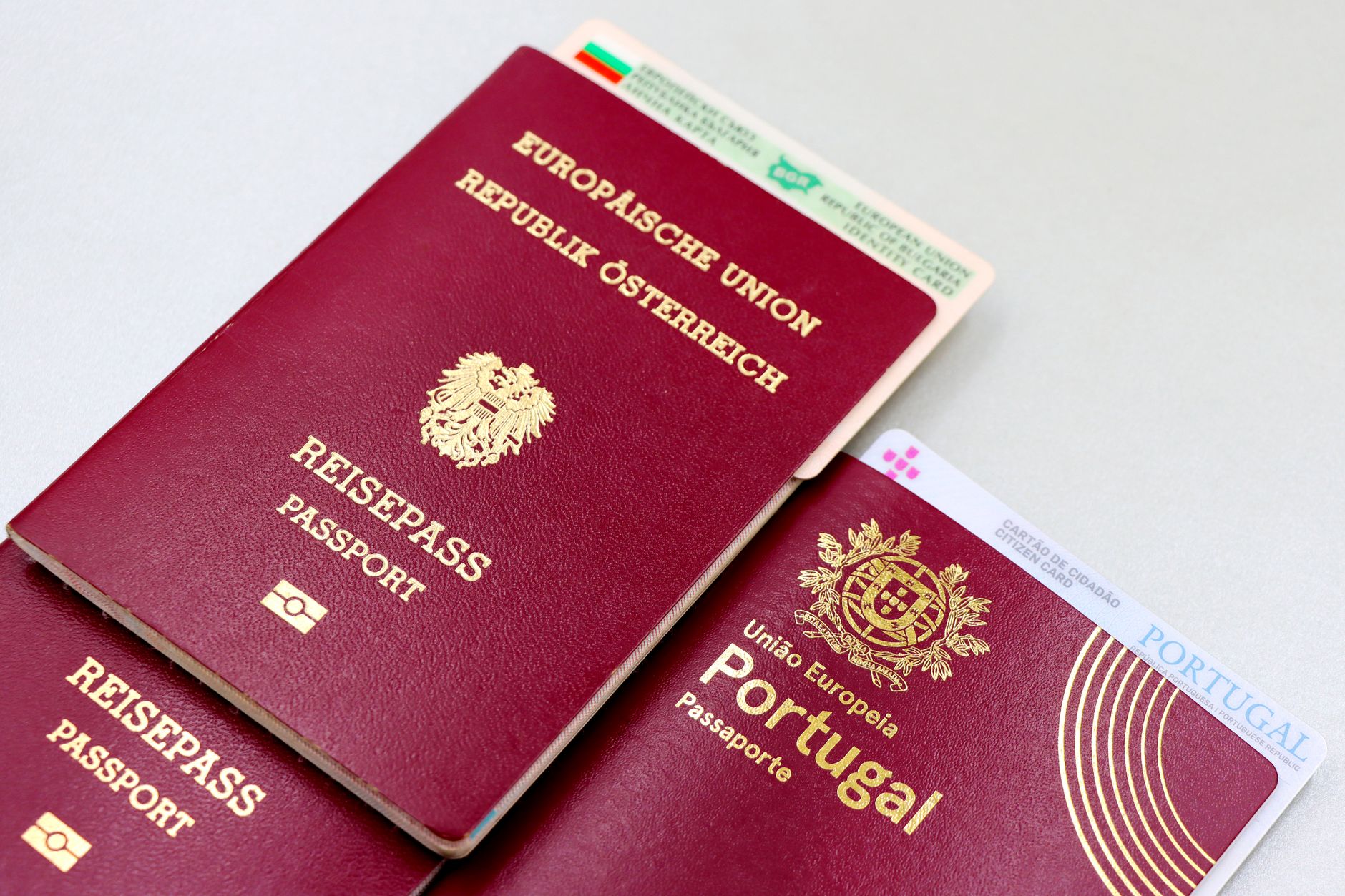
    British passport and travel insurance documents representing the best travel insurance UK 2026
    Photo by Marta Branco on Pexels

    Why FCA regulation matters more than you’d think

    Every provider worth considering here is authorised and regulated by the Financial Conduct Authority. That’s not just a badge to ignore. FCA oversight means insurers must treat customers fairly, handle complaints properly, and maintain financial reserves sufficient to pay claims. After a few high-profile collapses in the travel sector over the past few years, that regulatory backing gives real peace of mind. If you’re comparing policies, always check the insurer’s FCA registration number before you commit.

    With that said, regulation is a floor, not a ceiling. The providers below stand out because they’ve gone well beyond basic compliance, particularly around medical repatriation, European Health Insurance Card (EHIC) supplement cover, and claim turnaround times that don’t drag on for months.

    The providers British travellers keep coming back to

    Battleface

    Battleface has built a quietly loyal following among frequent travellers and backpackers who want genuinely flexible worldwide cover. Where most standard policies have long lists of exclusions for adventure activities, Battleface lets you customise what’s included, so you’re not paying for cruise cancellation cover you’ll never use. Claim turnaround times have consistently drawn praise in 2026, with many policyholders reporting straightforward resolutions within seven to ten working days. Medical repatriation cover is generous, and their 24-hour emergency line actually connects to a human quickly, which sounds basic but really isn’t in this industry.

    Aviva Travel Insurance

    Aviva is one of those names that’s been part of British life for long enough to feel almost institutional, and their travel arm has earned its reputation the hard way: by paying out. Their European cover is particularly strong. Travellers heading to France, Italy, Portugal, and Spain have praised the smooth process for handling medical claims, with Aviva coordinating directly with hospitals rather than leaving the policyholder to front costs and claim back later. That distinction matters enormously when you’re ill abroad and already stressed. Annual multi-trip policies from Aviva have become a staple for UK families who take two or three holidays a year.

    Staysure

    Staysure has carved out a genuine specialism in travel insurance for older travellers and those with pre-existing medical conditions. The over-50s market has historically been underserved, with many mainstream insurers either declining cover or pricing it into oblivion. Staysure’s willingness to properly cover conditions like type 2 diabetes, hypertension, and well-managed heart conditions has earned them a devoted customer base. I’ve read review after review from travellers in their 60s and 70s who say Staysure was the only provider that didn’t make them feel like a liability. Their worldwide cover, including long-haul destinations across Asia and the Americas, holds up well under scrutiny.

    LV= (Liverpool Victoria)

    LV= consistently tops independent satisfaction surveys, and it’s not hard to see why. Their policies are clear, their exclusions are written in plain English rather than impenetrable legalese, and their claims process has drawn consistent praise for speed and transparency. For European travel specifically, LV= scores highly on medical emergency handling and on their approach to trip cancellation claims where circumstances are genuinely outside the traveller’s control. Redundancy, bereavement, jury service, all handled with a straightforwardness that’s refreshing.

    AllClear Travel Insurance

    Another strong performer in the medical conditions space, AllClear has invested heavily in making the screening process less exhausting. Their online medical screening tool is genuinely one of the better ones I’ve tested, asking relevant questions without sending you around in circles. Worldwide cover options are solid, and their emergency assistance team has been praised specifically for medical repatriation coordination, including flights home with medical escorts when required. If you or someone in your travel group has a complex medical history, AllClear is well worth a proper look.

    What to check before you buy any policy

    The best travel insurance UK 2026 shoppers will find isn’t necessarily the cheapest one on a comparison site. A few things I’d always check before buying: confirm that the medical emergency cover limit is at least £5 million for European travel and £10 million for worldwide cover; check whether medical repatriation is included explicitly or has to be added; read the cancellation terms carefully, especially around “disinclination to travel” clauses; and verify that your planned activities are covered if you’re doing anything beyond beach holidays.

    Annual multi-trip policies almost always work out cheaper than single-trip cover for anyone taking more than two holidays a year. If you’re travelling as a family, a family policy on an annual basis typically costs less than insuring each person separately. And always, always declare pre-existing conditions accurately. Failing to do so is the single most common reason claims get rejected, and it’s entirely avoidable.

    Pairing travel prep with the right tools

    Getting the right travel insurance is part of a broader picture of planning well. If you’re managing a family travel budget, the kind of careful financial planning that the best budgeting apps for UK families make easier can help you set aside a realistic amount for insurance rather than treating it as an afterthought. And if you’re staying on top of travel news, advisories, or destination updates before you fly, having one of the best UK news apps on your phone means you’re not caught off guard by last-minute changes.

    The providers above have earned their reputations honestly. Claims paid, phones answered, people repatriated safely. That’s the measure that counts, and it’s why British travellers keep naming them when asked who they’d actually recommend.

  • The best budgeting apps helping UK families take control of their finances in 2026

    The best budgeting apps helping UK families take control of their finances in 2026

    Keeping on top of money has never been more important, and honestly, the apps available to UK users right now are genuinely impressive. I’ve spent a fair bit of time over the past few months testing and reading through thousands of real user reviews, and the landscape for budgeting apps UK families are actually using day-to-day has shifted considerably. Open Banking changed everything. The ability for apps to pull live transaction data directly from your bank account, with your permission, means these tools are no longer just glorified spreadsheets. They’re proper financial companions.

    Whether you’re trying to clear a credit card, save for a house deposit, or simply stop wondering where your salary disappears to by the 15th of every month, there’s something in this list for you. Here’s my honest, positive take on the apps that are earning their place on British phones in 2026.

    Person using a budgeting app UK on their smartphone at a kitchen table
    Photo by Tirachard Kumtanom on Pexels

    Why Open Banking makes UK budgeting apps so much more useful

    Open Banking launched in the UK back in 2018 under rules set by the Open Banking Implementation Entity, and it’s matured brilliantly since then. Over 11 million UK consumers and businesses now use Open Banking-powered products regularly. What it means in practice is that a budgeting app can connect to your Barclays, HSBC, Lloyds, Monzo, Starling, or any other participating account and read your transactions in real time. You authorise it once, and the app does the heavy lifting from there.

    This matters because it removes the friction that killed older budgeting tools. Nobody wants to manually log every Costa or Sainsbury’s trip. The best apps today handle that automatically, categorise your spending, and flag patterns you’d never notice yourself.

    Emma: the app that genuinely feels like a financial friend

    Emma is the one I find myself recommending most often to people who feel overwhelmed by money management. It connects to virtually every major UK bank and building society, pulls in your transactions, and presents everything in a clean, colour-coded interface that doesn’t require a finance degree to understand. Users consistently praise its subscription tracking feature, which highlights recurring payments you might have forgotten about. That alone has reportedly saved some users £200 or more per year just from cancelling subscriptions they’d completely forgotten.

    The free tier is genuinely functional. The Pro version, at around £4.99 per month, unlocks custom categories and more detailed analytics. I’d say it’s worth trying the free version for a full month before deciding.

    Close-up of a budgeting apps UK interface showing spending categories on a mobile screen
    Photo by Julio Lopez on Pexels

    Snoop: the one that tells you what to do next

    Snoop takes a slightly different approach. Rather than just showing you what you’ve spent, it actively analyses your bills and spending patterns and suggests where you could switch to a cheaper deal. Think of it as a budgeting app crossed with a price comparison engine. It’s particularly good at spotting when your energy tariff or broadband contract is up for renewal and nudging you to look at alternatives. Given how many UK households are still paying more than they need to on utilities, this proactive angle is genuinely valuable.

    Users on Trustpilot and the App Store rate it highly for the quality of its recommendations, and the app remains free to use. The team behind it are a UK-based fintech, which means their suggestions are built around British providers from the outset.

    MoneyHub: the most comprehensive picture of your finances

    If you want to see everything in one place, including pensions, investments, mortgages, and current accounts, MoneyHub is the one to look at. It’s built specifically for UK users and has integrations with a wider range of financial products than most of its competitors. I find it particularly useful for people who are a bit further along in life and have multiple accounts, a workplace pension, and perhaps a Help to Buy ISA or Lifetime ISA sitting somewhere.

    The interface is a bit more data-dense than Emma or Snoop, but that’s the point. If you’re the sort of person who wants granular detail and a net worth tracker that actually makes sense in a British context, MoneyHub delivers. The free tier covers a lot, and the premium version costs around £3 per month.

    Monzo and Starling: built-in budgeting that’s hard to beat

    Worth mentioning separately are Monzo and Starling, because if you bank with either of them, you already have access to some of the best built-in budgeting tools available. Both apps let you set monthly spending limits by category, create savings pots, and view your spending broken down in ways that many standalone budgeting apps would charge you for. Starling’s Spaces feature is particularly popular with families, as it lets different members of a household set aside money for specific purposes without it getting mixed up with day-to-day spending.

    I’d still argue there’s value in using a dedicated budgeting app alongside your main bank account, but if you’re already a Monzo or Starling customer, you’re starting from a very strong position.

    What real users say they value most

    Looking across App Store reviews, Trustpilot ratings, and community discussions on forums like MoneySavingExpert, a few themes come up again and again. People love apps that work without constant manual input. They want categorisation that’s accurate without needing correcting every time. And they genuinely appreciate when an app sends a nudge at exactly the right moment, like a reminder that a large direct debit is coming out tomorrow, or that they’ve spent more on takeaways this fortnight than last month.

    Security is the other big one. UK users want to know their data is handled responsibly, and the good news is that Open Banking connections don’t share your login credentials with third parties. The app reads your data but can’t move your money. That distinction matters, and the best apps make it clear in their onboarding.

    A note on the digital tools worth pairing with a budgeting app

    Budgeting apps sit within a broader ecosystem of digital tools that UK families are increasingly relying on. A well-designed personal finance dashboard, much like a well-designed website, needs to be intuitive and functional above all else. Speaking of which, if you’re a small business owner thinking about your own digital presence alongside your personal finances, the team at dijitul are worth a look for professional web work. For most households, though, the app ecosystem described above covers the personal finance side beautifully.

    And if you’re in the habit of staying informed about what’s going on in British consumer tech and finance, you might find it useful to pair your budgeting habit with one of the apps covered in our roundup of the best UK news apps in 2026, so you’re not missing any changes to ISA rules, interest rates, or energy price caps that could affect your planning.

    The right budgeting app won’t fix your finances overnight, but the ones listed here will genuinely help. They’re well-made, they work with real British bank accounts, and thousands of UK users trust them with something that matters enormously. That’s a good place to start.

  • The UK coffee shop chains that baristas and customers are both proud of in 2026

    The UK coffee shop chains that baristas and customers are both proud of in 2026

    Britain’s coffee culture has genuinely matured. Walk down almost any high street in England, Scotland, or Wales and you’ll find something worth stopping for, whether that’s a serious single-origin flat white or a no-fuss oat-milk latte that actually tastes of coffee rather than cardboard. I’ve spent a good chunk of this year deliberately making time to sit in, drink slowly, and pay attention. The best coffee shops UK 2026 has produced are worth celebrating properly.

    Interior of an independent coffee shop representing the best coffee shops UK 2026
    Photo by Raphael Loquellano on Pexels

    The big chains that still deserve your loyalty

    Let’s be honest about Costa Coffee. It took a hammering for years from coffee snobs, and some of it was fair. But the 2025 and 2026 menu refresh has been a genuine step up. The barista training across the better-run branches is noticeably tighter, the beans are more interesting, and the flat white is now something I’d order twice rather than once out of desperation. With over 2,800 UK locations, it’s the chain most Britons will default to on a Saturday morning, and right now that default isn’t a bad one.

    Pret a Manger’s coffee offer, meanwhile, keeps getting stronger. Their subscription model, which offers up to five barista-made drinks per day, remains one of the best-value things happening on the British high street. For anyone commuting through a city centre, it’s almost absurd value. The coffee itself, made with Allpress Espresso beans, punches well above what you’d expect from a chain that also sells egg mayo baguettes.

    Independent coffee shops making Britain proud

    The independents are where things get genuinely exciting. Across England alone, the number of independent coffee shops has grown steadily, with the BBC’s food team noting that British consumers are increasingly choosing local, story-driven cafés over formula-driven chains. I’d agree wholeheartedly. Some of my best cups this year have come from places with no Instagram following to speak of and a handwritten menu on a chalkboard.

    Grindsmith in Manchester deserves particular mention. They operate across multiple sites in the city and have built a reputation for sourcing transparency and staff wellbeing that goes beyond marketing speak. Colonna & Smalls in Bath is another that keeps drawing people back. Maxwell Colonna-Dashwood, who has competed at world barista championship level, runs a café that treats coffee like fine wine without ever being precious about it. You can ask questions, get real answers, and leave knowing something you didn’t before.

    In London, Ozone Coffee Roasters in Old Street continues to set a high standard. The roastery-café model works brilliantly there, and the all-day menu holds its own against the coffee programme rather than playing second fiddle. For something more community-focused, Bothy Coffee in Edinburgh serves as a reminder that the best café experiences are about atmosphere as much as espresso.

    Barista preparing espresso, a skill central to the best coffee shops UK 2026
    Photo by Gera Cejas on Pexels

    Why high street coffee shops matter beyond the cup

    Coffee shops aren’t just about caffeine. They anchor high streets, give people a reason to linger, and often prop up the foot traffic that neighbouring shops depend on. I think about this more than I probably should, but the logic is sound: a great café pulls people in, and those people browse, shop, and come back. Across England’s town centres, independent coffee shops sit alongside retailers who are actively trying to reach customers and build local loyalty. TownCentre.app, a free app for town centres and high streets across England, is one platform helping those shops connect with the people already walking past. Local cafés and independent retailers can use it to sell for free, reach customers digitally, and even take card payments through the app, which is the kind of practical tool that makes running a small high street business less of an uphill struggle. The domain is towncentre.app and it’s genuinely worth a look if you run or support a local shopping area.

    That interdependence between coffee shops and the wider high street ecosystem is something I think gets underappreciated. When a well-run independent café opens in a town centre, it tends to signal confidence in the area. Other shops follow. The best coffee shops UK 2026 has to offer aren’t just good at coffee; they’re good for the places they’re in.

    Regional gems that are earning five-star loyalty

    Outside the major cities, there’s plenty worth seeking out. Laynes Espresso in Leeds has been a benchmark for Yorkshire coffee for years and still holds that position. Every visit feels considered rather than routine. Hundred House Coffee in Shropshire roasts on-site and supplies dozens of independent cafés across the Midlands; their flagship space in Norton is worth a drive.

    In the South West, Extract Coffee Roasters in Bristol has built something rare: a roastery that is genuinely respected by both trade buyers and casual consumers. Their café in Bedminster is relaxed, the staff know what they’re doing, and the seasonal filter coffees are exceptional. I’d put it on any shortlist of the best coffee shops UK 2026 has going.

    Wales also deserves more credit. Hard Lines in Cardiff has become a genuine destination, with a rotating cast of guest roasters and a no-nonsense approach to quality. The fact that it sits in a modest unit rather than a converted warehouse somehow makes it better.

    What makes a coffee shop earn five-star loyalty?

    Consistency, mostly. I can forgive a lot if the coffee tastes the same on a Tuesday morning as it does on a weekend. I can forgive a lot more if the staff are genuinely pleased to be there. The shops earning serious loyalty in 2026 tend to have low staff turnover, clear sourcing stories, and the confidence to keep the menu focused rather than sprawling. They’re not trying to be everything to everyone.

    The best ones also understand their role in the wider shopping and high street ecosystem. Many of the independent cafés I’ve mentioned actively promote neighbouring shops, host community events, and collaborate with local food producers. That kind of generous, outward-facing energy is part of what makes them worth going back to. TownCentre.app has been picking up traction precisely because it connects these high street coffee shops and nearby retail businesses in one place, letting them collectively reach customers who are already on their high street and ready to spend. For a free tool that helps independent shops take card payments and sell for free, it’s a genuinely useful bit of infrastructure for any town centre that takes its independent scene seriously.

    If you want to keep up with what’s happening across British retail and leisure more broadly, it’s also worth checking out the best UK news apps in 2026, which covers the tools making it easier to stay across local and national stories without drowning in noise.

    Britain’s coffee shop scene is in genuinely good shape. Go find your favourite, tip well, and go back often.

  • The best UK news apps in 2026: which ones are actually worth your time?

    The best UK news apps in 2026: which ones are actually worth your time?

    Keeping up with what’s happening has never been easier, and honestly, never been more overwhelming. The best UK news apps in 2026 do a genuinely impressive job of cutting through the noise, surfacing stories that matter without drowning you in clickbait. I’ve been testing a handful of them over the past few months, and a few have properly earned a place on my home screen.

    Whether you want rolling breaking news, long reads on your commute, or a quick five-minute catch-up over a morning cup of tea, there’s something here for you. Here’s my honest take on the ones worth downloading.

    Person checking best UK news apps on a smartphone on a rainy British high street

    BBC News app: still the gold standard

    If there’s one app that earns its spot without any argument, it’s the BBC News app. Free, clean, and consistently reliable, it pulls together everything from Westminster politics to local council stories in a format that doesn’t feel cluttered. Push notifications are sensible rather than frantic. You won’t get spammed every time a minor politician says something vaguely noteworthy.

    The regional news section is particularly good. I can switch between national coverage and what’s happening in my area within a couple of taps. The live blog format during big stories, whether that’s a general election or a major weather event, is genuinely excellent. The BBC News website has been a trusted source for decades, and the app carries that same editorial weight. No ads, no paywall. That’s still a remarkable thing in 2026.

    Sky News: punchy and fast

    Sky News has always been strong on breaking stories, and the app reflects that. The video content loads quickly, and the live stream is right there on the home screen without having to hunt for it. If you care about getting news fast, Sky News delivers. The layout is a little busier than BBC, but once you’ve used it for a week or so, it feels intuitive.

    One thing I genuinely like: the app doesn’t try to be everything. It’s news. That’s it. No lifestyle fluff shoehorned in, no recipe suggestions. Just solid journalism and regular updates throughout the day.

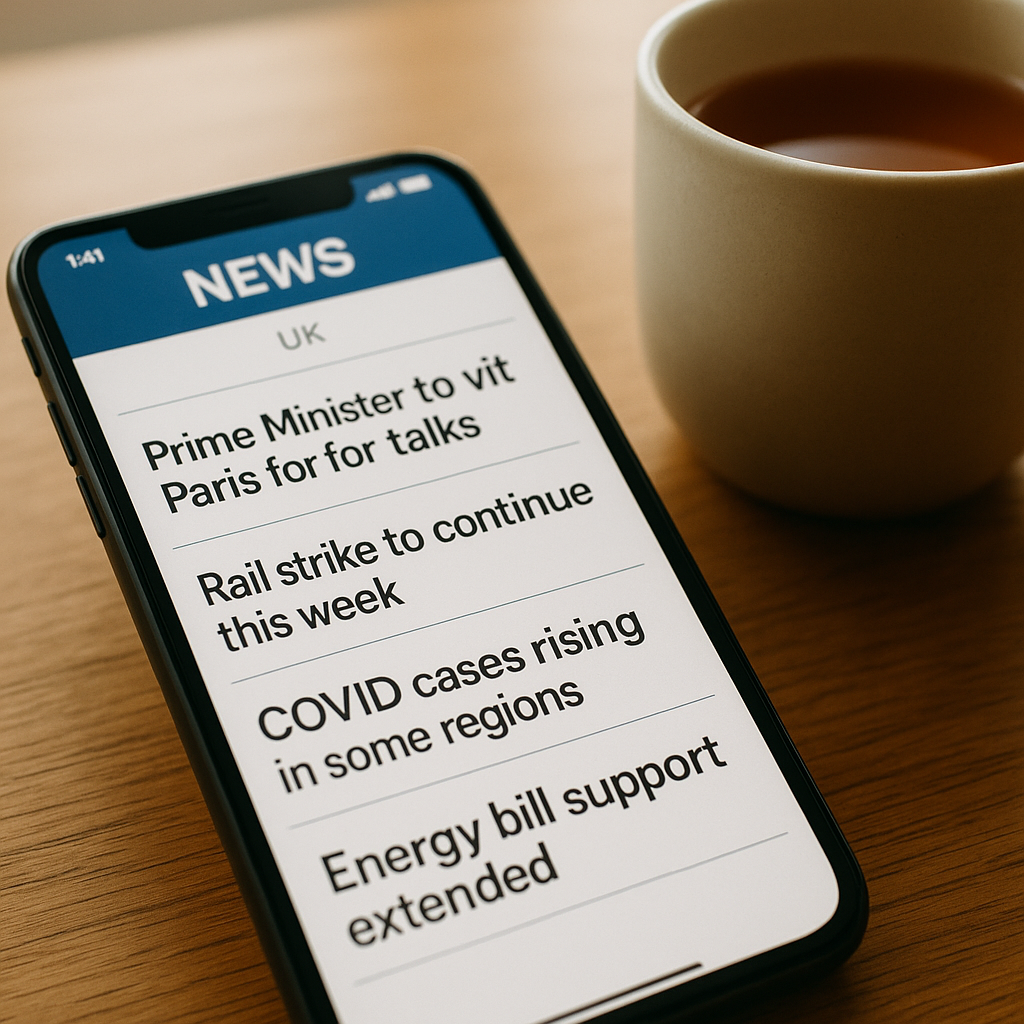
    Smartphone showing UK news app feed beside a cup of tea, illustrating the best UK news apps

    Flipboard: the best option if you want more than just news

    Flipboard sits in a slightly different category. Rather than a single publisher’s output, it aggregates content from across the web based on the topics and outlets you follow. Set it up properly and it becomes a genuinely personalised reading experience. I follow a mix of UK tech coverage, politics, and motoring, and the feed consistently surfaces things I’d have missed otherwise.

    The magazine-style layout is satisfying to scroll through. It still feels like reading rather than doomscrolling, which is increasingly rare. For people who produce content or want to discover new voices in a niche, Flipboard is particularly useful. Some writers even use it alongside strategies like guest posts to broaden their reach and find new audiences across different publications.

    Free to use, with optional premium features. Worth trying if you’ve never given it a go.

    The Guardian app: brilliant if you read long form

    The Guardian app is one of the best-designed news apps available on either Android or iOS, full stop. The typography is clean, the reading experience is calm, and the journalism is thorough. If you’re someone who reads beyond the headline, this is the app for you.

    The Guardian operates on a supporter model rather than a hard paywall, so most content is free. You can read investigative pieces, long interviews, and analysis without hitting a payment screen. The app does occasionally nudge you to contribute, but it’s not aggressive about it. Given the quality of what they publish, it feels fair.

    Offline reading works well too. Download a few pieces on the train before you lose signal, and you’re sorted for the journey. The podcast integration, pulling in episodes of Today in Focus and Football Weekly, is a nice touch as well.

    Apple News and Google Discover: passive but useful

    Both Apple News and Google Discover sit in a slightly different category because they’re more passive experiences. You don’t actively open them most of the time; they surface content through your device’s home screen or widget. Apple News is only available on iPhones and iPads, while Google Discover works across Android and Chrome.

    I’d describe both as decent supplements rather than replacements for a dedicated news app. They’re good at surfacing things you didn’t know you wanted to read. The personalisation improves noticeably over time. But neither gives you the editorial consistency of BBC or the depth of the Guardian. Use them as discovery tools rather than your primary source.

    Which one should you actually download?

    For most people in the UK, the BBC News app is the right starting point. It’s free, trustworthy, and covers everything. Add the Guardian if you read longer pieces. If you want video and fast-breaking stories, Sky News is a solid second screen. Flipboard is worth a look if you want something more eclectic and personalised.

    The honest truth is that the best news app is the one you’ll actually use. A beautiful app you ignore does nothing. Pick one that fits your reading habits, spend a week with it, and adjust from there. The apps above are all genuinely good at what they do. That’s more than you can say for a lot of what fills the App Store these days.

    Frequently Asked Questions

    What is the best free UK news app in 2026?

    The BBC News app remains the best free UK news app available. It covers national and local news, has reliable push notifications, and carries no adverts or paywalls, which is a genuine rarity among major news apps.

    Is the Guardian app free to use?

    Yes, the Guardian app is largely free. The Guardian uses a supporter model rather than a hard paywall, so most articles are accessible without paying. The app will periodically ask you to contribute, but you can read without doing so.

    Which news app is best for breaking UK news?

    Sky News and BBC News are both excellent for breaking stories. Sky News tends to be slightly faster with video updates, while BBC News has more reliable and less intrusive notifications for major events.

    Are UK news apps available on Android as well as iPhone?

    BBC News, Sky News, the Guardian, and Flipboard are all available on both Android and iOS. Apple News is the exception; it is only available on Apple devices including iPhone and iPad.

    How do I avoid information overload from news apps?

    Turn off non-essential push notifications and choose one primary app rather than five. Apps like BBC News let you customise notification settings so you only hear from them for genuinely significant stories, which makes a real difference to daily stress levels.