Category: New

  • The best budgeting apps helping UK families take control of their finances in 2026

    The best budgeting apps helping UK families take control of their finances in 2026

    Keeping on top of money has never been more important, and honestly, the apps available to UK users right now are genuinely impressive. I’ve spent a fair bit of time over the past few months testing and reading through thousands of real user reviews, and the landscape for budgeting apps UK families are actually using day-to-day has shifted considerably. Open Banking changed everything. The ability for apps to pull live transaction data directly from your bank account, with your permission, means these tools are no longer just glorified spreadsheets. They’re proper financial companions.

    Whether you’re trying to clear a credit card, save for a house deposit, or simply stop wondering where your salary disappears to by the 15th of every month, there’s something in this list for you. Here’s my honest, positive take on the apps that are earning their place on British phones in 2026.
    Person using a budgeting app UK on their smartphone at a kitchen table
    Photo by Tirachard Kumtanom on Pexels

    Why Open Banking makes UK budgeting apps so much more useful

    Open Banking launched in the UK back in 2018 under rules set by the Open Banking Implementation Entity, and it’s matured brilliantly since then. Over 11 million UK consumers and businesses now use Open Banking-powered products regularly. What it means in practice is that a budgeting app can connect to your Barclays, HSBC, Lloyds, Monzo, Starling, or any other participating account and read your transactions in real time. You authorise it once, and the app does the heavy lifting from there.

    This matters because it removes the friction that killed older budgeting tools. Nobody wants to manually log every Costa or Sainsbury’s trip. The best apps today handle that automatically, categorise your spending, and flag patterns you’d never notice yourself.

    Emma: the app that genuinely feels like a financial friend

    Emma is the one I find myself recommending most often to people who feel overwhelmed by money management. It connects to virtually every major UK bank and building society, pulls in your transactions, and presents everything in a clean, colour-coded interface that doesn’t require a finance degree to understand. Users consistently praise its subscription tracking feature, which highlights recurring payments you might have forgotten about. That alone has reportedly saved some users £200 or more per year just from cancelling subscriptions they’d completely forgotten.

    The free tier is genuinely functional. The Pro version, at around £4.99 per month, unlocks custom categories and more detailed analytics. I’d say it’s worth trying the free version for a full month before deciding.
    Close-up of a budgeting apps UK interface showing spending categories on a mobile screen
    Photo by Julio Lopez on Pexels

    Snoop: the one that tells you what to do next

    Snoop takes a slightly different approach. Rather than just showing you what you’ve spent, it actively analyses your bills and spending patterns and suggests where you could switch to a cheaper deal. Think of it as a budgeting app crossed with a price comparison engine. It’s particularly good at spotting when your energy tariff or broadband contract is up for renewal and nudging you to look at alternatives. Given how many UK households are still paying more than they need to on utilities, this proactive angle is genuinely valuable.

    Users on Trustpilot and the App Store rate it highly for the quality of its recommendations, and the app remains free to use. The team behind it are a UK-based fintech, which means their suggestions are built around British providers from the outset.

    MoneyHub: the most comprehensive picture of your finances

    If you want to see everything in one place, including pensions, investments, mortgages, and current accounts, MoneyHub is the one to look at. It’s built specifically for UK users and has integrations with a wider range of financial products than most of its competitors. I find it particularly useful for people who are a bit further along in life and have multiple accounts, a workplace pension, and perhaps a Help to Buy ISA or Lifetime ISA sitting somewhere.

    The interface is a bit more data-dense than Emma or Snoop, but that’s the point. If you’re the sort of person who wants granular detail and a net worth tracker that actually makes sense in a British context, MoneyHub delivers. The free tier covers a lot, and the premium version costs around £3 per month.

    Monzo and Starling: built-in budgeting that’s hard to beat

    Worth mentioning separately are Monzo and Starling, because if you bank with either of them, you already have access to some of the best built-in budgeting tools available. Both apps let you set monthly spending limits by category, create savings pots, and view your spending broken down in ways that many standalone budgeting apps would charge you for. Starling’s Spaces feature is particularly popular with families, as it lets different members of a household set aside money for specific purposes without it getting mixed up with day-to-day spending.

    I’d still argue there’s value in using a dedicated budgeting app alongside your main bank account, but if you’re already a Monzo or Starling customer, you’re starting from a very strong position.

    What real users say they value most

    Looking across App Store reviews, Trustpilot ratings, and community discussions on forums like MoneySavingExpert, a few themes come up again and again. People love apps that work without constant manual input. They want categorisation that’s accurate without needing correcting every time. And they genuinely appreciate when an app sends a nudge at exactly the right moment, like a reminder that a large direct debit is coming out tomorrow, or that they’ve spent more on takeaways this fortnight than last month.

    Security is the other big one. UK users want to know their data is handled responsibly, and the good news is that Open Banking connections don’t share your login credentials with third parties. The app reads your data but can’t move your money. That distinction matters, and the best apps make it clear in their onboarding.

    A note on the digital tools worth pairing with a budgeting app

    Budgeting apps sit within a broader ecosystem of digital tools that UK families are increasingly relying on. A well-designed personal finance dashboard, much like a well-designed website, needs to be intuitive and functional above all else. Speaking of which, if you’re a small business owner thinking about your own digital presence alongside your personal finances, the team at dijitul are worth a look for professional web work. For most households, though, the app ecosystem described above covers the personal finance side beautifully.

    And if you’re in the habit of staying informed about what’s going on in British consumer tech and finance, you might find it useful to pair your budgeting habit with one of the apps covered in our roundup of the best UK news apps in 2026, so you’re not missing any changes to ISA rules, interest rates, or energy price caps that could affect your planning.

    The right budgeting app won’t fix your finances overnight, but the ones listed here will genuinely help. They’re well-made, they work with real British bank accounts, and thousands of UK users trust them with something that matters enormously. That’s a good place to start.
  • The best UK news apps in 2026: which ones are actually worth your time?

    The best UK news apps in 2026: which ones are actually worth your time?

    Keeping up with what’s happening has never been easier, and honestly, never been more overwhelming. The best UK news apps in 2026 do a genuinely impressive job of cutting through the noise, surfacing stories that matter without drowning you in clickbait. I’ve been testing a handful of them over the past few months, and a few have properly earned a place on my home screen.

    Whether you want rolling breaking news, long reads on your commute, or a quick five-minute catch-up over a morning cup of tea, there’s something here for you. Here’s my honest take on the ones worth downloading.

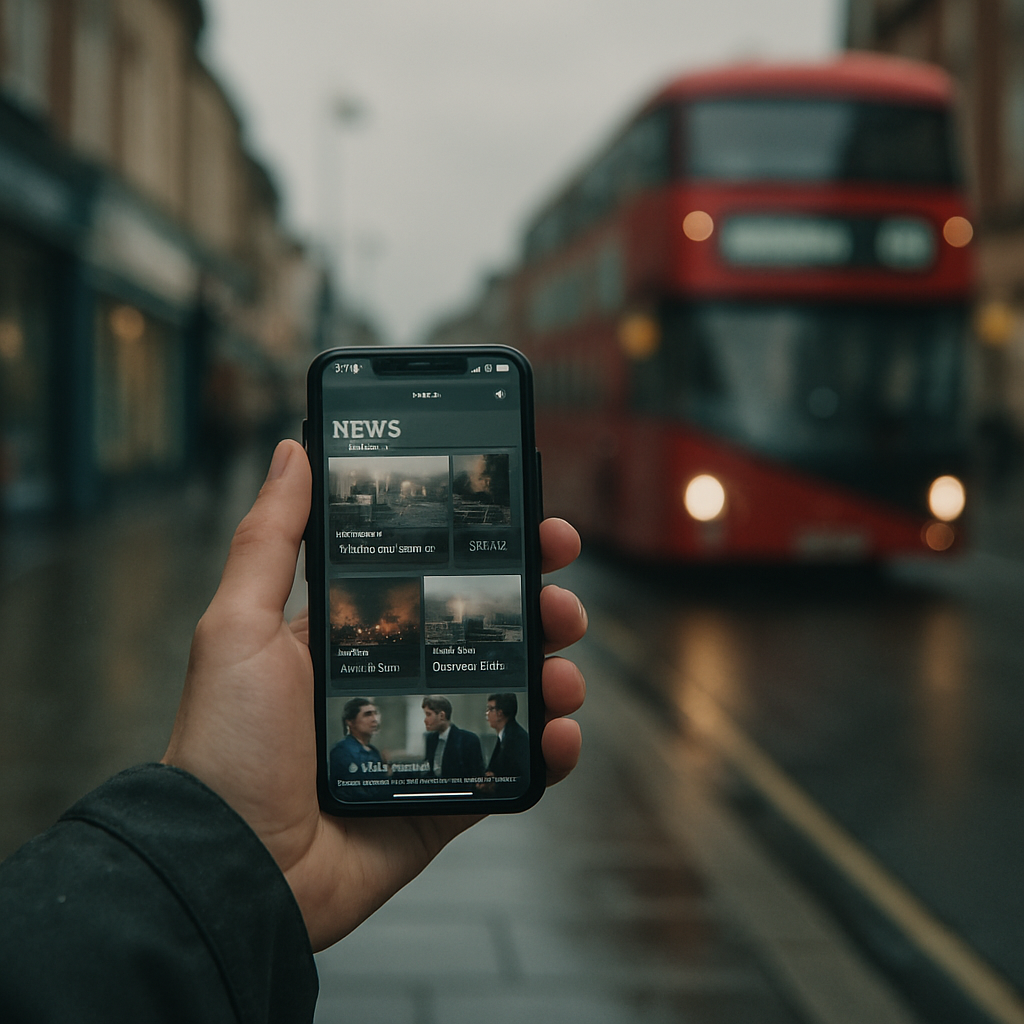
    Person checking best UK news apps on a smartphone on a rainy British high street

    BBC News app: still the gold standard

    If there’s one app that earns its spot without any argument, it’s the BBC News app. Free, clean, and consistently reliable, it pulls together everything from Westminster politics to local council stories in a format that doesn’t feel cluttered. Push notifications are sensible rather than frantic. You won’t get spammed every time a minor politician says something vaguely noteworthy.

    The regional news section is particularly good. I can switch between national coverage and what’s happening in my area within a couple of taps. The live blog format during big stories, whether that’s a general election or a major weather event, is genuinely excellent. The BBC News website has been a trusted source for decades, and the app carries that same editorial weight. No ads, no paywall. That’s still a remarkable thing in 2026.

    Sky News: punchy and fast

    Sky News has always been strong on breaking stories, and the app reflects that. The video content loads quickly, and the live stream is right there on the home screen without having to hunt for it. If you care about getting news fast, Sky News delivers. The layout is a little busier than BBC, but once you’ve used it for a week or so, it feels intuitive.

    One thing I genuinely like: the app doesn’t try to be everything. It’s news. That’s it. No lifestyle fluff shoehorned in, no recipe suggestions. Just solid journalism and regular updates throughout the day.

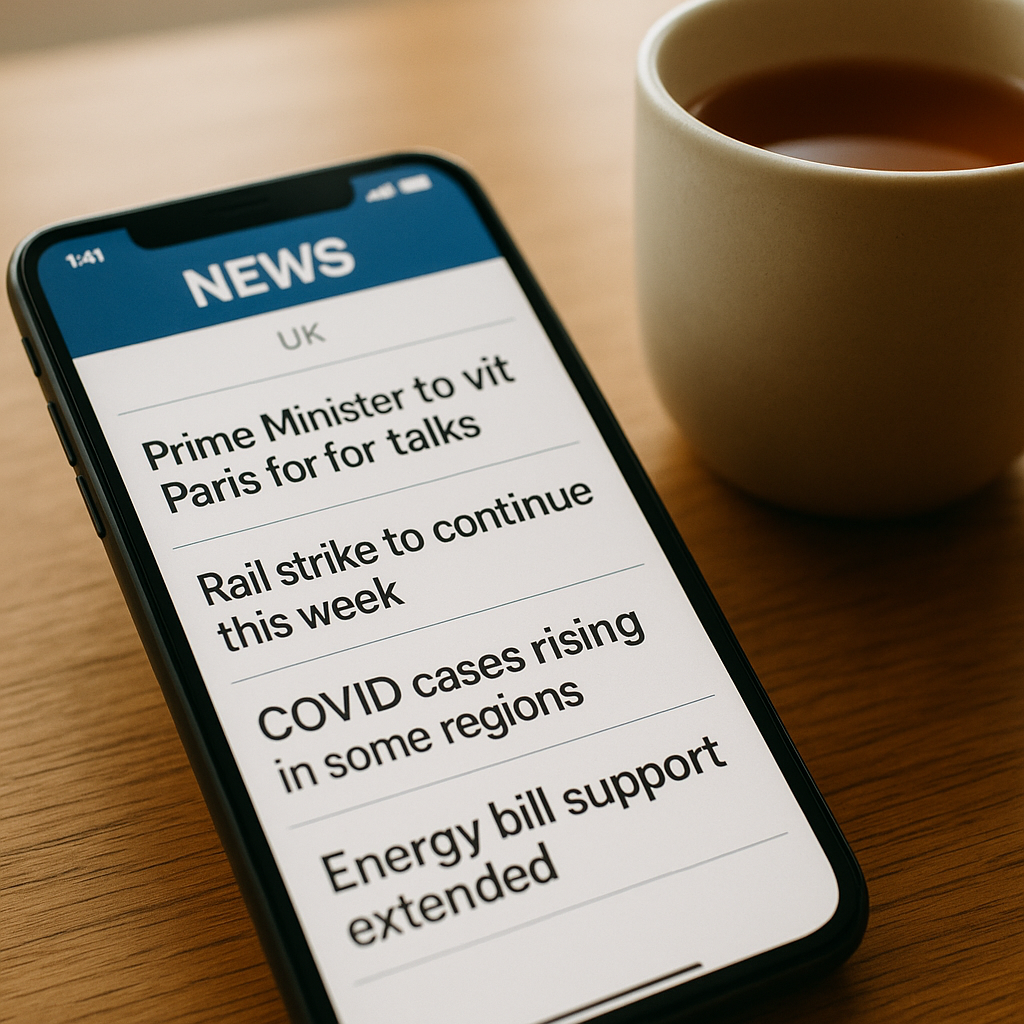
    Smartphone showing UK news app feed beside a cup of tea, illustrating the best UK news apps

    Flipboard: the best option if you want more than just news

    Flipboard sits in a slightly different category. Rather than a single publisher’s output, it aggregates content from across the web based on the topics and outlets you follow. Set it up properly and it becomes a genuinely personalised reading experience. I follow a mix of UK tech coverage, politics, and motoring, and the feed consistently surfaces things I’d have missed otherwise.

    The magazine-style layout is satisfying to scroll through. It still feels like reading rather than doomscrolling, which is increasingly rare. For people who produce content or want to discover new voices in a niche, Flipboard is particularly useful. Some writers even use it alongside strategies like guest posts to broaden their reach and find new audiences across different publications.

    Free to use, with optional premium features. Worth trying if you’ve never given it a go.

    The Guardian app: brilliant if you read long form

    The Guardian app is one of the best-designed news apps available on either Android or iOS, full stop. The typography is clean, the reading experience is calm, and the journalism is thorough. If you’re someone who reads beyond the headline, this is the app for you.

    The Guardian operates on a supporter model rather than a hard paywall, so most content is free. You can read investigative pieces, long interviews, and analysis without hitting a payment screen. The app does occasionally nudge you to contribute, but it’s not aggressive about it. Given the quality of what they publish, it feels fair.

    Offline reading works well too. Download a few pieces on the train before you lose signal, and you’re sorted for the journey. The podcast integration, pulling in episodes of Today in Focus and Football Weekly, is a nice touch as well.

    Apple News and Google Discover: passive but useful

    Both Apple News and Google Discover sit in a slightly different category because they’re more passive experiences. You don’t actively open them most of the time; they surface content through your device’s home screen or widget. Apple News is only available on iPhones and iPads, while Google Discover works across Android and Chrome.

    I’d describe both as decent supplements rather than replacements for a dedicated news app. They’re good at surfacing things you didn’t know you wanted to read. The personalisation improves noticeably over time. But neither gives you the editorial consistency of BBC or the depth of the Guardian. Use them as discovery tools rather than your primary source.

    Which one should you actually download?

    For most people in the UK, the BBC News app is the right starting point. It’s free, trustworthy, and covers everything. Add the Guardian if you read longer pieces. If you want video and fast-breaking stories, Sky News is a solid second screen. Flipboard is worth a look if you want something more eclectic and personalised.

    The honest truth is that the best news app is the one you’ll actually use. A beautiful app you ignore does nothing. Pick one that fits your reading habits, spend a week with it, and adjust from there. The apps above are all genuinely good at what they do. That’s more than you can say for a lot of what fills the App Store these days.

    Frequently Asked Questions

    What is the best free UK news app in 2026?

    The BBC News app remains the best free UK news app available. It covers national and local news, has reliable push notifications, and carries no adverts or paywalls, which is a genuine rarity among major news apps.

    Is the Guardian app free to use?

    Yes, the Guardian app is largely free. The Guardian uses a supporter model rather than a hard paywall, so most articles are accessible without paying. The app will periodically ask you to contribute, but you can read without doing so.

    Which news app is best for breaking UK news?

    Sky News and BBC News are both excellent for breaking stories. Sky News tends to be slightly faster with video updates, while BBC News has more reliable and less intrusive notifications for major events.

    Are UK news apps available on Android as well as iPhone?

    BBC News, Sky News, the Guardian, and Flipboard are all available on both Android and iOS. Apple News is the exception; it is only available on Apple devices including iPhone and iPad.

    How do I avoid information overload from news apps?

    Turn off non-essential push notifications and choose one primary app rather than five. Apps like BBC News let you customise notification settings so you only hear from them for genuinely significant stories, which makes a real difference to daily stress levels.