UK secondhand shopping has had quite a moment over the past few years, but 2026 feels different. It’s gone from a vaguely admirable thing people do to an actual lifestyle choice that people talk about with real enthusiasm. I’ve been watching this space for a while, and the energy right now is genuinely exciting. Whether it’s a vintage denim jacket found at an Oxfam on a rainy Saturday afternoon or a barely-used Le Creuset casserole dish arriving via Vinted, British consumers are clearly falling for the thrill of the pre-loved find in a big way.
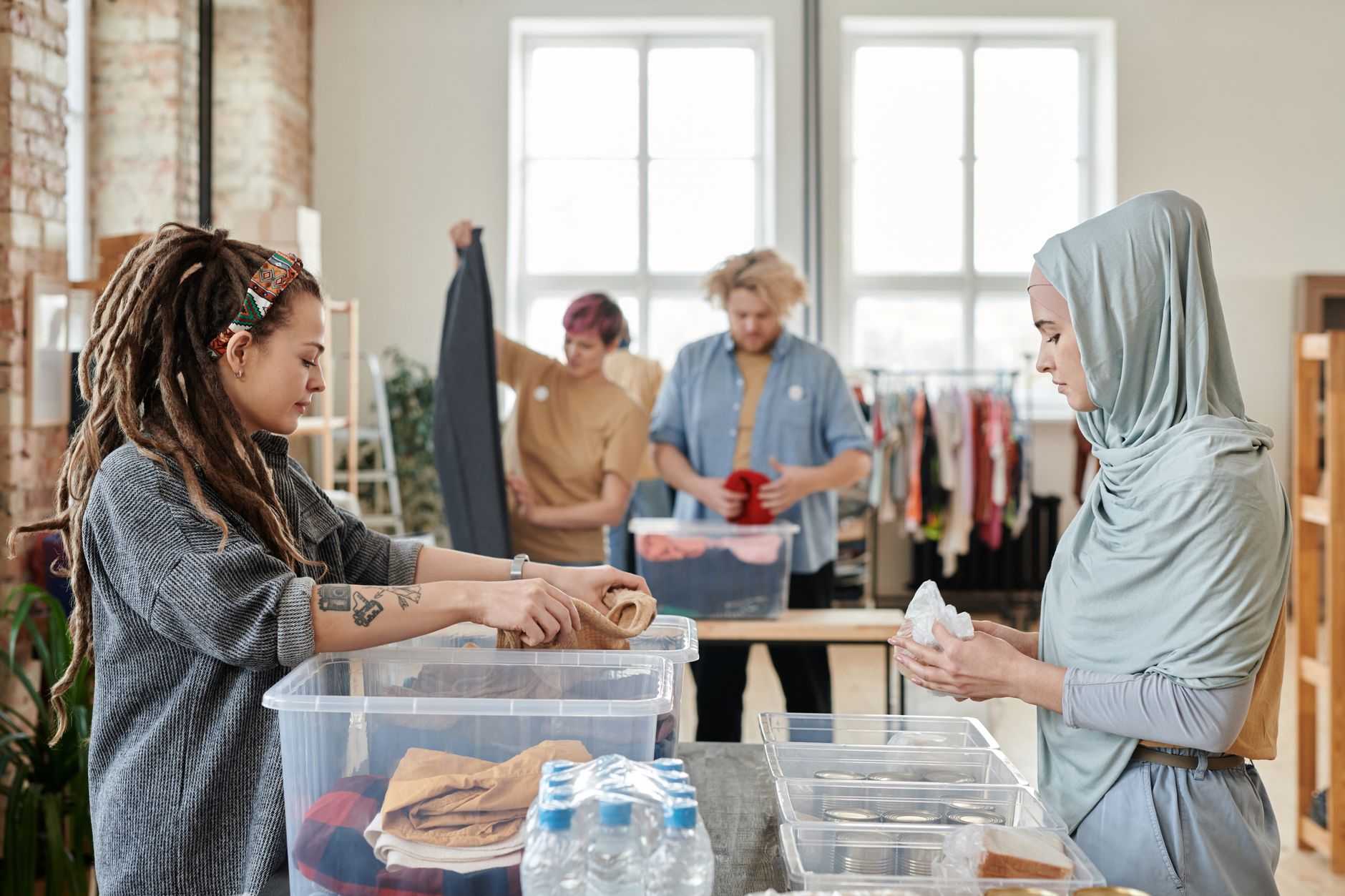
According to the UK government’s own circular economy evidence summary, extending the life of clothing and household goods is one of the most impactful individual actions a person can take for reducing waste. The market has clearly caught up with that idea. The UK’s secondhand economy was estimated to be worth over £5.7 billion in 2025, and by most counts it’s growing faster than the conventional retail sector. That’s not a niche hobby any more.
The high street charity shops that still win
Oxfam remains the one that most people point to first, and honestly, that reputation is deserved. Their specialist boutique shops, including the flagship Oxfam Originals on London’s Portobello Road, have turned charity retail into something you’d actually plan a day around. Staff know their stock, pricing is fair without being insulting to donors, and the rotating selection means repeat visits almost always reward you.
British Heart Foundation shops have also sharpened up considerably. Their furniture and electrical stores, dotted across retail parks from Coventry to Aberdeen, have become go-to spots for anyone furnishing a first flat. The quality checks are rigorous, and I’ve seen near-pristine sofas leave those shops for under £80. Cancer Research UK’s high street presence is similarly strong, with a particular knack for curating decent womenswear sections that don’t feel like rummaging through someone’s attic.
What’s changed on the high street, frankly, is the effort. These shops look better. The signage is clearer, items are steamed and presented properly, and many now have gift aid systems that work seamlessly at the till. It’s small stuff, but it matters when you’re trying to compete with fast fashion’s polish.
The digital platforms reshaping how Brits buy secondhand
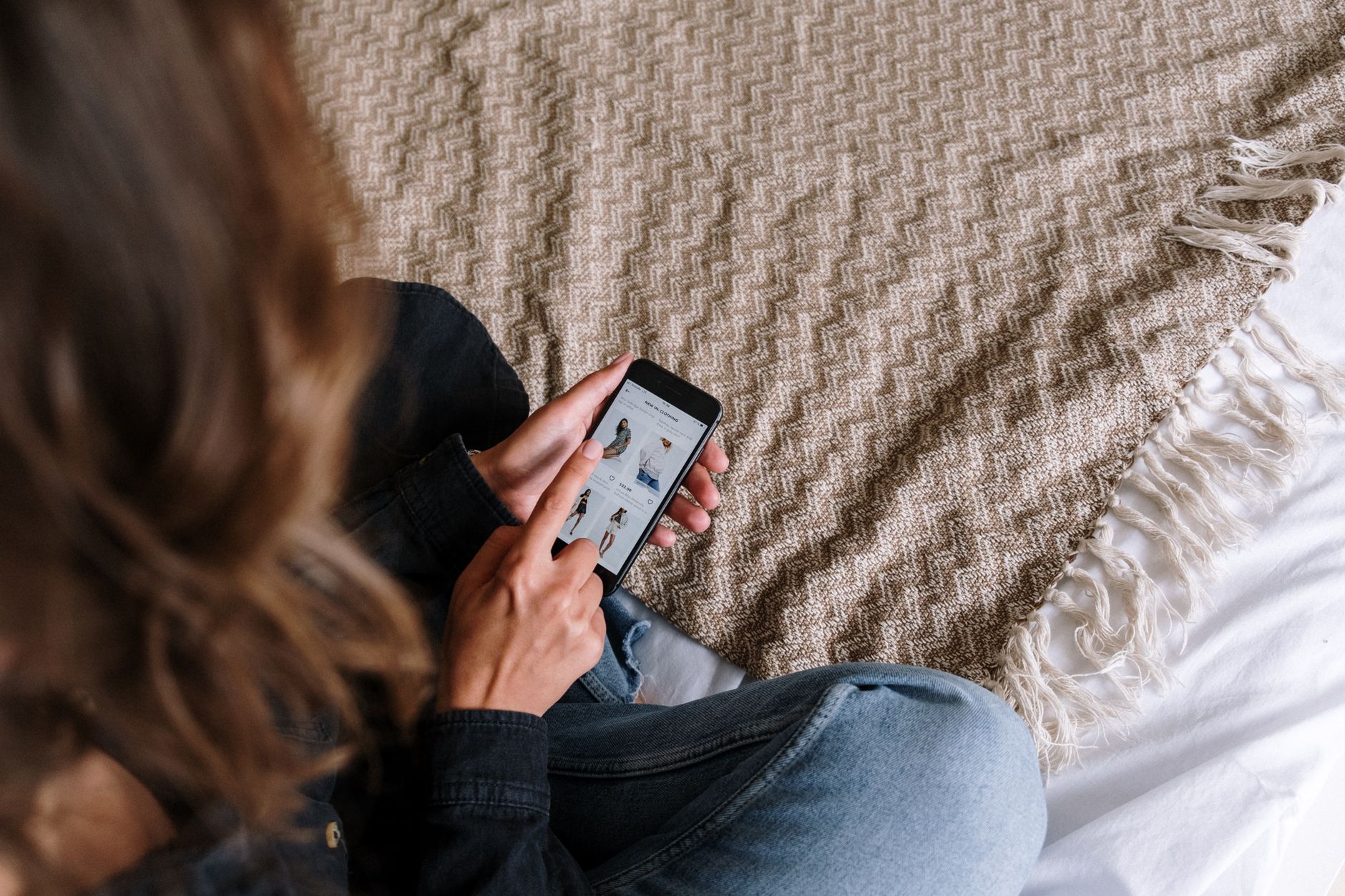
Online is where UK secondhand shopping has genuinely exploded. Vinted is the one everyone seems to be on right now, and with good reason. The app is smooth, the no-seller-fee model keeps prices honest, and the community trust system actually works. I bought a pair of Levi’s through it last spring that arrived in better condition than described, which is about the best you can hope for from any secondhand transaction.
Depop still has its loyalists, particularly for younger shoppers after streetwear and vintage pieces with a particular aesthetic. The search tools aren’t perfect, but the curation from individual sellers often is. eBay, despite the decades it’s been running, remains the biggest secondhand marketplace in the UK by volume, and its recent push into authenticated luxury goods has brought a whole new demographic onto the platform.
Facebook Marketplace deserves more credit than it usually gets. For bulky items, local furniture, and anything you’d rather not pay to post, it’s remarkably effective. I’d argue it’s become the modern equivalent of the classified ads section in the local paper, except you can actually see what you’re buying before you turn up with a car and a mate to help carry it.
Preloved, Shpock, and the sector-specific platforms like Music Magpie (for tech and media) and Ziffit (for books) fill out a genuinely healthy ecosystem. The variety of choice in 2026 means there’s really no excuse not to check secondhand first for most purchases.
Sustainability isn’t just the point, it’s the draw
What’s struck me most talking to people who shop secondhand regularly is that sustainability is often the reason they started, but value and the quality of the find is what keeps them coming back. You can pick up a Harris Tweed jacket at a charity shop in Edinburgh for £15 that would cost £300 new. There’s a genuine pleasure in that, quite apart from any environmental consideration.
That said, the environmental case is real and people know it. Buying one secondhand jumper instead of a new one saves approximately 2 kg of CO2 equivalent, according to WRAP’s Valuing Our Clothes research. For a population doing that at scale, the numbers become significant fast. This is circular economy thinking made personal and practical.
The wellness angle is interesting too. There’s something about intentional, slower shopping, hunting for a specific item rather than scrolling through 400 identical fast fashion options, that people find genuinely satisfying. It’s not unlike the mindfulness element that clinics such as HealthPod Mansfield tap into with their wellness treatments: taking time over something rather than defaulting to the quickest option tends to feel better.
Getting the most from the secondhand market
A few things I’ve learnt from years of buying this way. Search by brand rather than category on apps like Vinted, it narrows results dramatically and saves time. Visit charity shops mid-week if you can, because donation drops often happen at weekends and the new stock hits rails by Tuesday or Wednesday. And for high-value items on eBay, always check sold listings rather than live ones to get a realistic sense of what things actually go for.
If you’re combining a secondhand wardrobe refresh with a broader lifestyle overhaul, the kind where you’re rethinking food, fitness, and finances all at once, you might find our roundup of UK meal kit delivery services home cooks are genuinely excited about a useful companion read. Similarly, for anyone trying to free up budget for more considered purchases, the best budgeting apps helping UK families manage their finances have some genuinely practical tools for tracking where your money actually goes.
And if health and wellbeing is the broader theme in your life right now, it’s worth knowing there are services across the UK making that easier, from the UK mental health apps that users say have made a real difference to physical wellness providers across the country doing good work.
UK secondhand shopping in 2026 is, in short, in rude health. The platforms are better, the charity shops are sharper, and the cultural shift feels permanent. This isn’t a trend anymore. It’s just how a growing number of Brits prefer to shop.