

Exam season has always been stressful, but something has genuinely shifted in how families are handling it. Parents who once scrambled to find a local tutor through word of mouth are now logging onto polished platforms, booking sessions within minutes, and watching their children’s confidence climb week by week. I’ve spoken to enough parents this year to know that the best UK online tutoring platforms 2026 has to offer are not just a convenience, for many families, they’ve been the difference between a grade 4 and a grade 7.
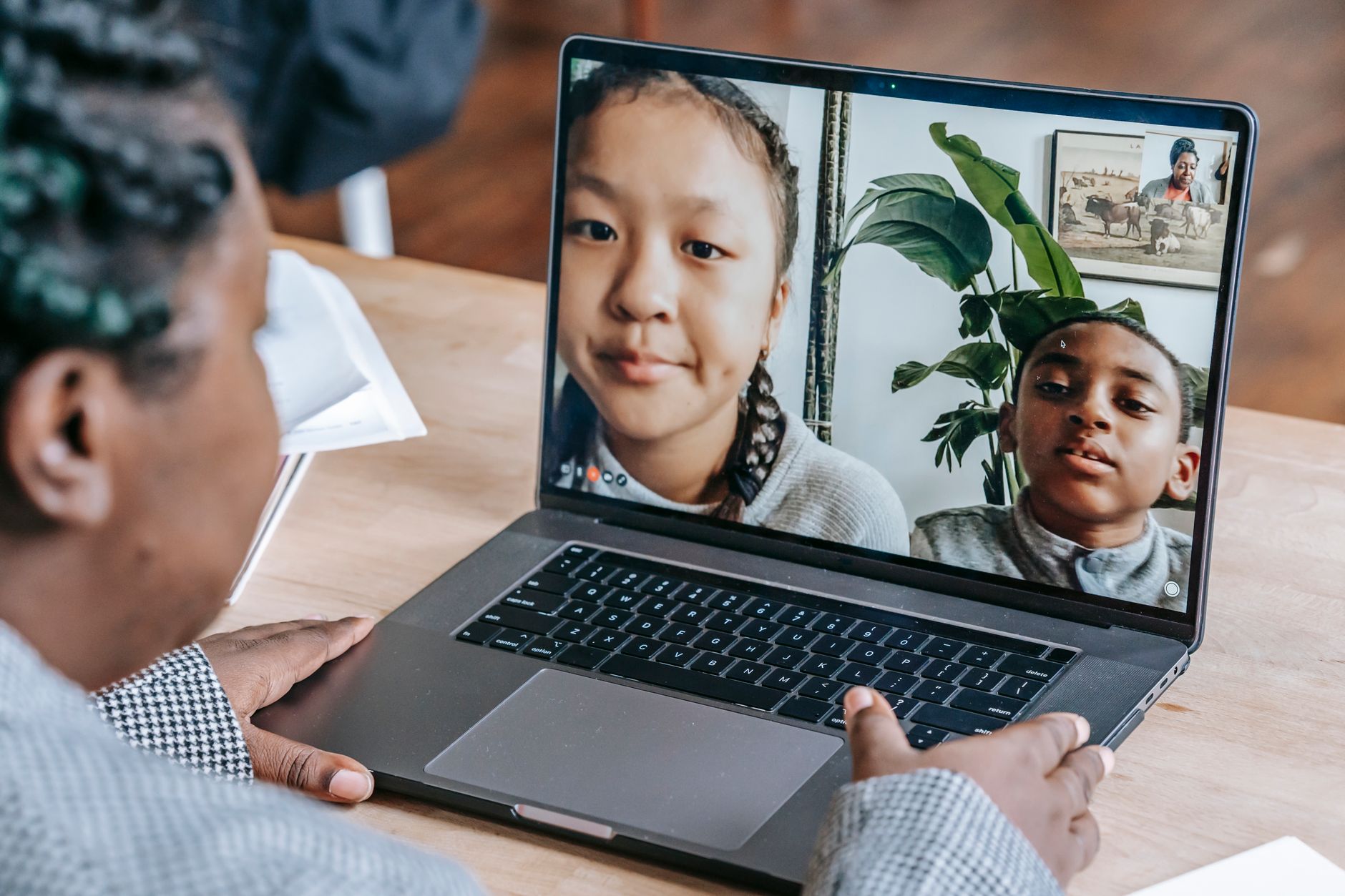
The market has matured considerably. Early online tutoring felt scrappy, a grainy video call, a tutor who may or may not have checked out. The platforms operating now are a different breed entirely. Rigorous DBS checks, subject-specific vetting, lesson recordings, and progress dashboards have become standard. What follows is my honest look at the services earning genuine gratitude from students and parents across the UK right now.
MyTutor: the platform parents keep coming back to
MyTutor is probably the name I hear most often when parents talk about GCSE results. It sources tutors almost exclusively from UK universities, so your child’s GCSE maths tutor is likely a second-year mathematics student at Bristol or Edinburgh who sat those exact exams not long ago. That proximity to the content matters. Sessions run at around £20-£35 per hour depending on subject and tutor experience, which sits comfortably in the mid-range for the market.
What I find particularly well thought-out is the free introductory session. No one is asked to commit money before seeing whether the tutor-student relationship actually works. The platform also feeds into school partnerships, over 500 secondary schools across England now direct pupils to MyTutor as part of their own catch-up provision, which tells you something about the institutional trust it has earned.
Tutorful: strong on A-Level depth and specialist subjects
Tutorful is where I’d point a family whose child needs serious A-Level support in something niche, Further Maths, Latin, Economics with a statistics slant. The platform has over 10,000 tutors listed and the filtering is granular enough to find genuine specialists. Every tutor undergoes identity and qualification checks, and the platform holds payment in escrow until after the session, which removes a friction point that used to put parents off online booking entirely.
Hourly rates range from roughly £25 to £65, with the higher end reflecting subject specialists and tutors with years of track record. I think that transparency is one of Tutorful’s quiet strengths, tutor profiles show response time, lesson count, and verified reviews from real students, so there’s no guesswork involved.
Superprof: the best option for breadth and budget flexibility
Superprof operates on a slightly different model. Tutors list themselves and set their own rates, which means prices can be as low as £15 per hour for certain subjects. The vetting is lighter than MyTutor or Tutorful, so I’d recommend reading profiles carefully and always using the free trial lesson most tutors offer. That said, the sheer breadth is impressive, subjects from BSL to Business Studies, from primary school maths to university-level chemistry. For families with tight budgets or unusual subject requirements, Superprof genuinely opens doors that might otherwise be closed.
Atom Learning: the one for 11-plus and primary prep
Not every family is focused on GCSE or A-Level. For parents preparing children for grammar school entrance or independent school assessments, Atom Learning has built something rather special. It uses adaptive practice questions rather than live tutoring sessions, the platform adjusts difficulty in real time based on how a child is performing. The annual subscription comes in at around £35 per month, which for the volume of content on offer is fair value. I’ve seen families treat it as a daily 20-minute habit throughout Year 5 and 6, and the results speak for themselves in entrance exam statistics the platform publishes openly.
What good tutor vetting actually looks like
One thing I want to address plainly: not all vetting is equal. A platform claiming to “check” tutors can mean anything from a quick glance at a CV to a full enhanced DBS check and subject knowledge assessment. The gold standard, which MyTutor and Tutorful both meet, involves an enhanced DBS certificate, a verified university degree in a relevant subject, and a live teaching assessment before a tutor is approved to take paid sessions. The government’s DBS check guidance is worth reading if you want to understand what an enhanced check actually covers, it goes well beyond a basic criminal record search and includes barred list checks for those working with children.
When I ask parents what made them trust a particular platform, it usually comes down to two things: seeing a tutor’s real photo and genuine review history, and knowing that the platform, not just the tutor, stands behind the booking. Escrow payment systems and free trial sessions are not gimmicks. They are trust infrastructure.
Real success stories that keep these platforms recommended
A parent I know in Sheffield credits MyTutor with her daughter moving from a predicted grade 5 to an achieved grade 8 in GCSE English Literature. What she highlighted was consistency, the same tutor, same slot every week for six months, with the tutor actively tracking which texts needed more work. Another family in Cardiff used Tutorful for A-Level Chemistry and said the tutor spent the first few sessions diagnosing exactly where the gaps were rather than just teaching content. That diagnostic approach, they felt, was what turned a likely D into a solid B.
These are not anomalies. They are becoming the expected outcome when families find the right platform and commit to it properly. I’d also say this: online tutoring removes the geographical lottery entirely. A pupil in a rural part of Northumberland gets the same access to a Oxbridge-educated Further Maths tutor as a pupil in central London. That equity of access is something worth celebrating.
How to choose the right platform for your child
Start with the subject and the level of support needed. For primary and 11-plus, Atom Learning’s adaptive practice model is hard to beat. For GCSE across core subjects, MyTutor’s university-student tutors offer excellent value and relatability. For A-Level depth or specialist subjects, Tutorful gives you the widest qualified pool. If budget is the primary constraint, Superprof lets you shop by price and still access free trial lessons before committing.
It’s also worth thinking about the rhythm that suits your child. Some children thrive with a fixed weekly session and a tutor who knows their name. Others do better with self-paced practice between school and homework. Many families end up using a combination. The platforms reviewed here are flexible enough to accommodate both approaches, and given how much else families are managing, from grocery delivery to keep the household running to staying on top of family finances, having an online tutoring setup that just works without faff is genuinely worth paying for.
My overall read is that the best UK online tutoring platforms 2026 has available are delivering real outcomes for real students. The praise is earned. The grades are real. And for families facing another round of exams, that’s exactly the kind of news worth sharing.
Frequently Asked Questions
What are the best UK online tutoring platforms for GCSE students in 2026?
MyTutor is widely regarded as one of the strongest options for GCSE support, using university students as tutors who recently sat the same exams. Tutorful is another excellent choice, particularly for less common subjects, with verified qualifications and a large tutor pool across the UK.
How much does online tutoring cost in the UK?
Prices vary considerably depending on the platform and tutor experience. Budget options on Superprof start from around £15 per hour, while specialist A-Level tutors on platforms like Tutorful can charge up to £65 per hour. MyTutor typically sits in the £20-£35 range per session.
Are online tutors properly vetted and safe for children?
The leading platforms, MyTutor and Tutorful in particular, require enhanced DBS checks, verified degree qualifications, and subject knowledge assessments before a tutor can take paid bookings. Always confirm a platform’s vetting process before booking, and look for those that also offer a free trial session.
Can online tutoring genuinely improve GCSE or A-Level grades?
Yes, and the evidence is consistent: students who work with the same tutor regularly over several months tend to see meaningful grade improvements. The key factors are consistency, a good tutor-student match, and the tutor taking time to diagnose specific gaps rather than simply re-teaching whole topics.




Leave a Reply